













This report explores recent trends in the adoption and governance of generative AI applications, enterprise AI platforms, API usage, cloud app activity, and data policy violations across 37 Asia countries, including India, Japan, Singapore, Indonesia and Malaysia. It highlights how organizations are balancing rapid innovation with the need for stronger data protection, compliance, and risk management controls.
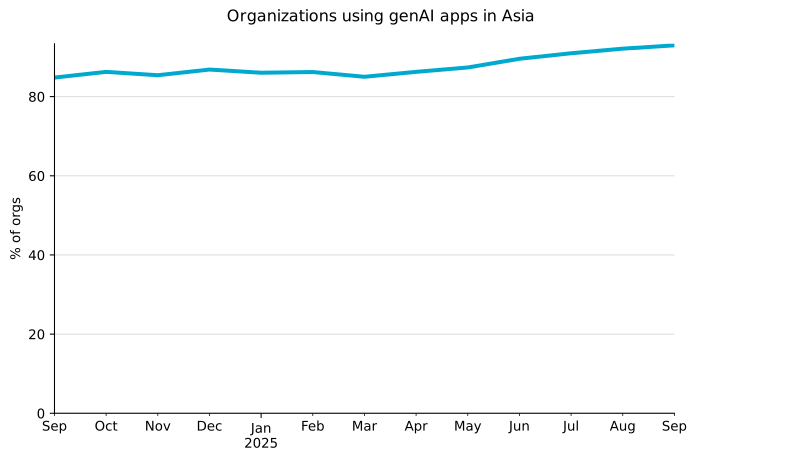
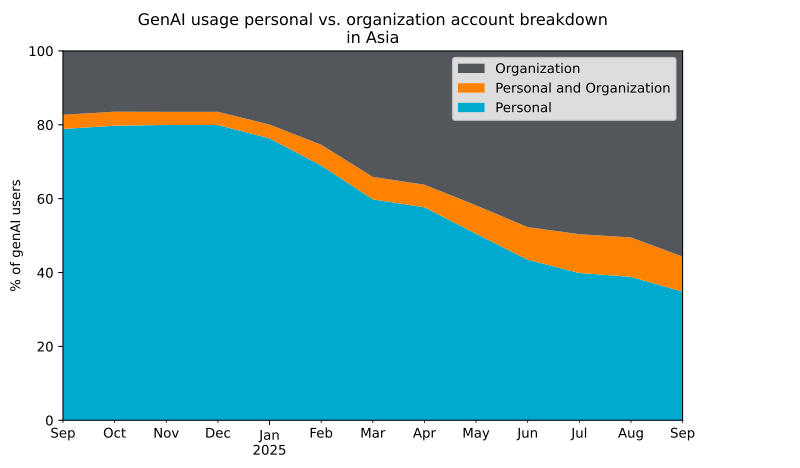
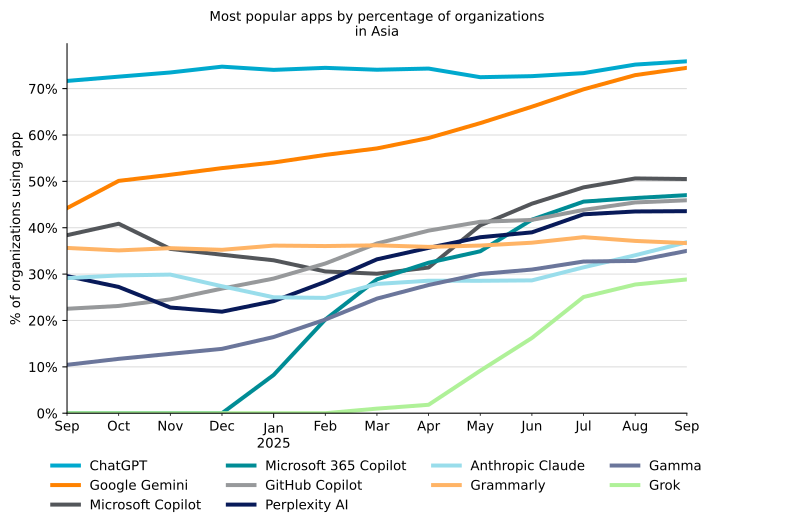
- GenAI usage: Adoption of genAI across Asia is accelerating, with 93% of organizations now using genAI applications. Personal genAI usage remained steady through 2024 before declining sharply in 2025, as organizations shifted toward approved enterprise genAI solutions that offer better data security and compliance.
- Agentic AI: As AI adoption matures, organizations are moving beyond basic genAI tools toward Agentic AI platforms that can autonomously perform tasks, make decisions, and integrate with enterprise systems. This shift from SaaS-based tools to enterprise-grade solutions with private model hosting provides greater control, data governance, and operational efficiency.
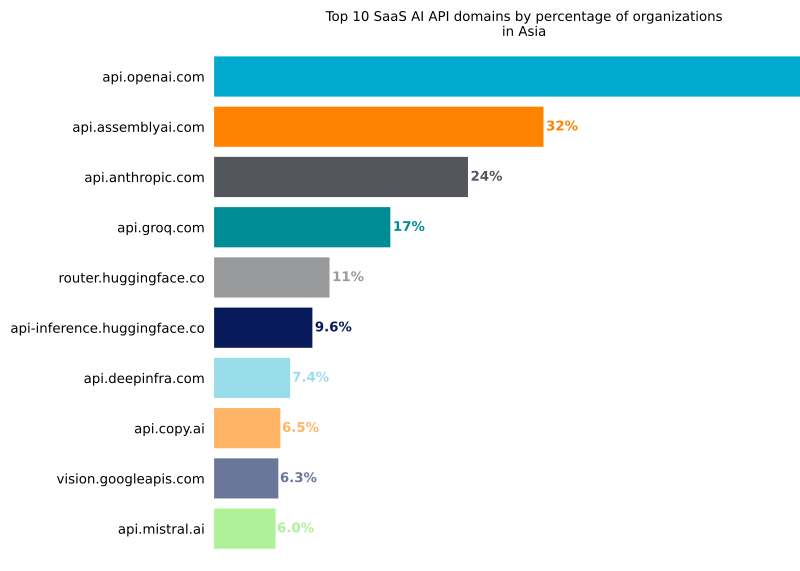
- GenAI APIs: Integration of genAI APIs beyond the browser is expanding rapidly. 57% of organizations in Asia connect to api.openai.com, followed by api.assemblyai.com (32%) and api.anthropic.com (24%), underscoring the rise of embedded AI services within enterprise workflows and backend systems.
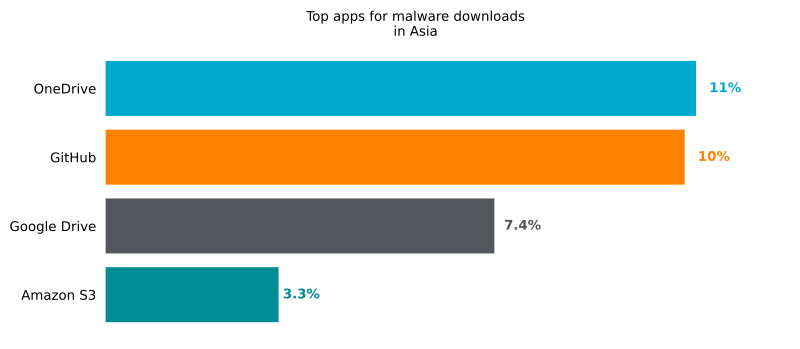
- Malware distribution: Attackers are exploiting trusted cloud platforms to deliver malware. Microsoft OneDrive, GitHub, and Google Drive are the most common sources, reflecting the risks of malicious content hosted on legitimate services.
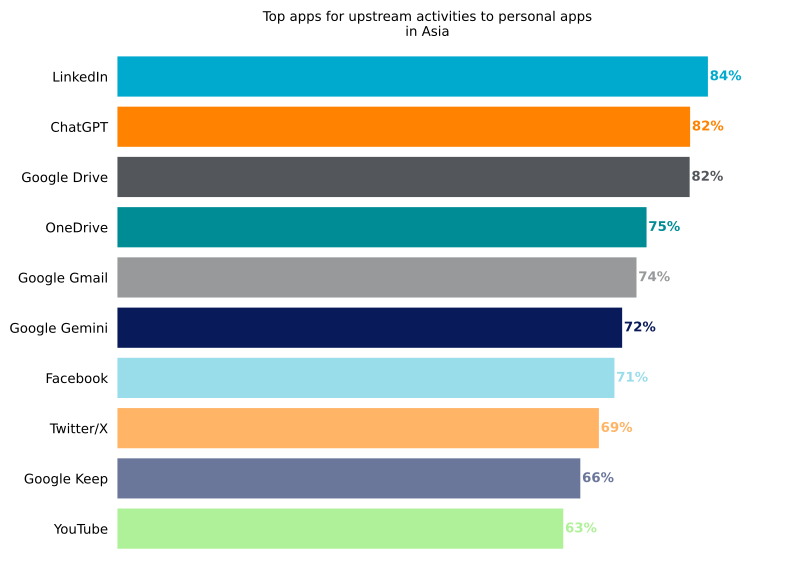
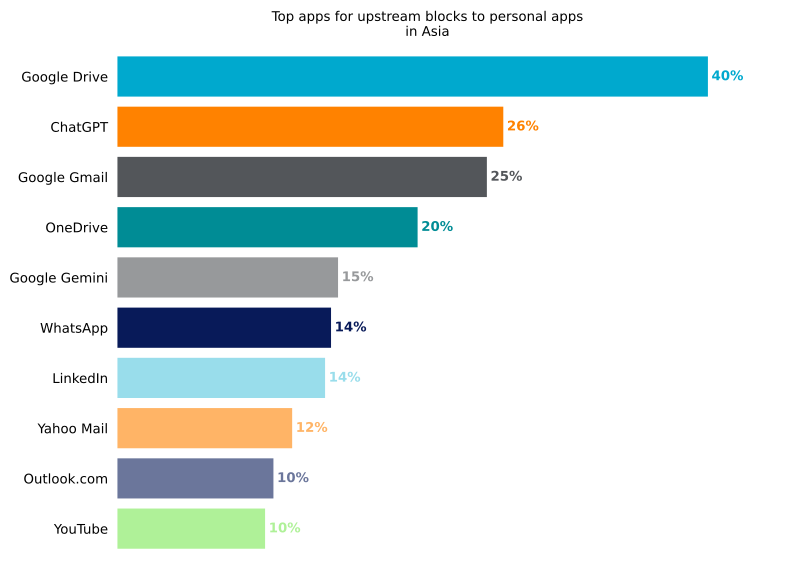
- Cloud app usage: Personal cloud applications remain widely used in workplace environments, blurring the line between personal and corporate data management. LinkedIn, ChatGPT, and Google Drive are the most commonly used personal apps across Asia.
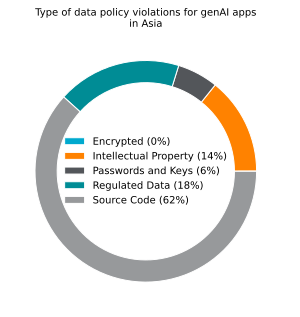
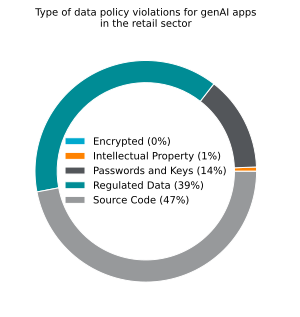
- Data policy violations: Analysis shows that regulated data (44%), source code (33%), and intellectual property (14%) account for most policy violations in personal apps. These findings highlight the persistent challenge of safeguarding sensitive and proprietary data in unapproved environments.