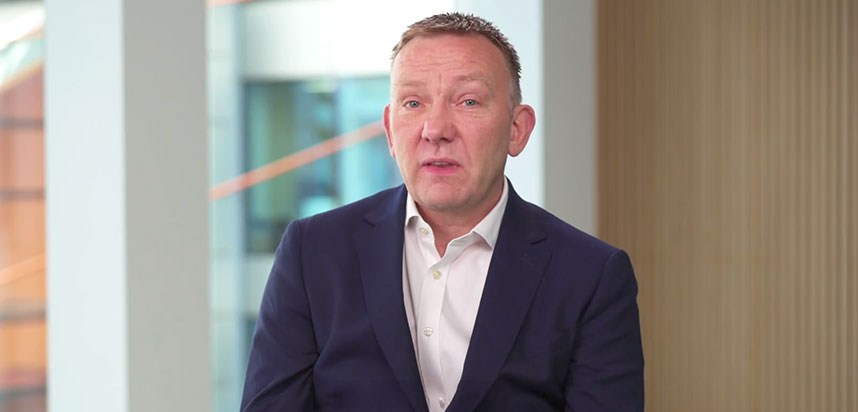
Andreas Rohr: The most convincing story for works council who were actually not there to prevent security or the company doing the right things, they're there to make sure that the data is not abused against the employee's rights. It's their mission, their task, and it's a valid one. When I was in a CISO position in such companies where there were actually a strong works council, the best relationship is if you're really being transparent to what you do, why you're doing that?
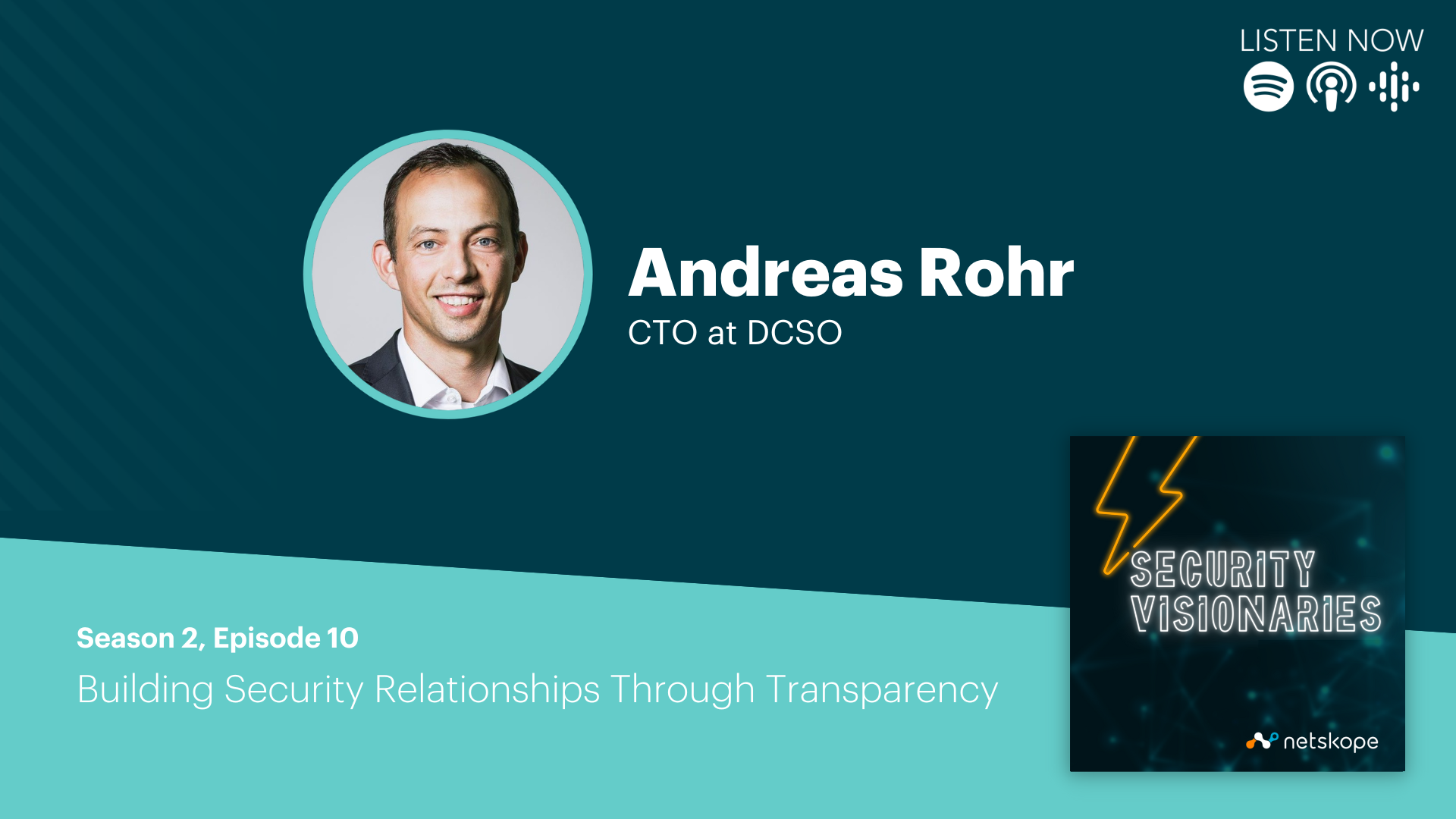
Speaker 2: Hello, and welcome to Security Visionaries. You just heard from today's guest, Andreas Rohr, CTO at DCSO. Aligning organizations on security requires many skills, most importantly, transparency. From establishing top-down communication to collaborating with work councils, transparency answers many questions along the way. Like, who has access to the sensitive information? What is an organization's appetite for risk? And how is the data of employees protected? Before we dive into Andreas's interview, here's a brief word from our sponsor. This Security Visionaries podcast is powered by the team at Netskope. At Netskope, we are redefining cloud, data and network security with a platform that provides optimized access and zero trust security for people, devices, and data anywhere they go. To learn more about how Netskope helps customers be ready for anything on their sassy journey, visit N-E-T-S-K-O-P-E.com. Without further ado, please enjoy episode 20 of Security Visionaries with Andreas Rohr, CTO at DCSO and your host, Mike Anderson.
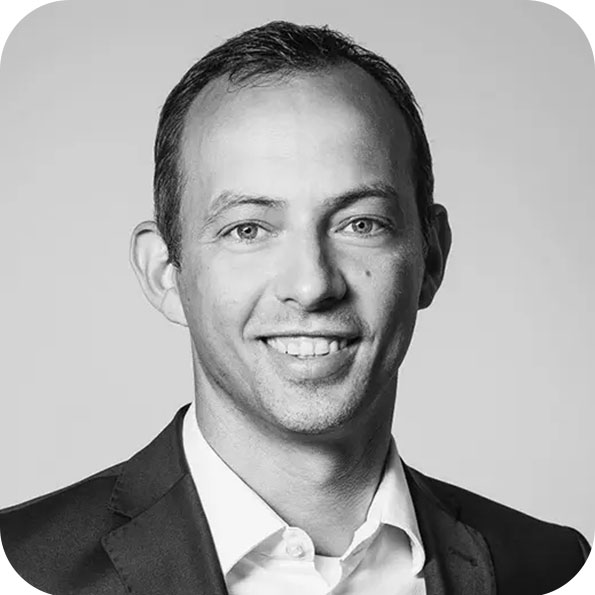
Mike Anderson: Welcome to today's episode of Security Visionaries. I'm your host, Mike Anderson. I'm the Chief Digital and Information Officer here at Netskcope. Today, we are joined by Andreas Rohr who's joining us from Germany. How are you doing today, Andreas?
Andreas Rohr: Oh, very good. Thanks for pronouncing the name very nicely.
Mike Anderson: I'm super excited about this conversation today because when we think about cyber security, you've done some very interesting things around bringing people together in the DACH region and thinking about companies of all sizes as you think about the cyber topic. And so can you tell us more about DCSO, how it started, the mission you've got, what you're trying to accomplish and how you're working with companies?
Andreas Rohr: So DCSO stands for German Cyber Security Organization. So the D is for Deutsche, for those that are maybe familiar with the language. And what basically four companies in the DACH region; Allianz, BASF, Volkswagen and Bayer, you might have heard of, some of the largest companies in Europe, they saw that they should basically combine forces and get exchanging ideas with other peers of themselves to not reinvent always the security topics by themselves and bringing together their experts. Because they have one thing in common, which is 90%, 80% of what they're challenging and security is more or less the same despite that they're competing on the market. And second, the talents are not enough on the market. So bringing them together under one roof and tasking them with things they're all interested in, would make things even better. And resource enabled testing of new ideas. So this is one of the things. The second one is they all have their supply chain they're dependent on. And this was seven years ago, so supply chain attack as a term was not born back then, but they already realized that the weakest link basically is not their secure and their security team and the maturity of them, but their supply chain ones, which are most dependent on.
Andreas Rohr: And digesting or making things in a way digestible from their security insights and learnings, is what DCSO as a community-driven exchange to operationalize such insights and technology as what we also have been founded for, to find ways to make it easier to use and also to apply for those companies that do not have a huge security team or even any knowledge. So operationalizing with security services was the second task, basically during the foundation of the company.
Mike Anderson: No, that's great. And I definitely know that we've got so many open cyber roles out there today. Anything you can do to help companies combat the bad actors that are out there that wanna cause harm to companies. As you said, these are competitors in some cases coming together at the table to figure out how they can basically protect ourselves from the adversaries that live out there in the wild. So it's definitely a strong mission. Have you had other companies that have joined in as part of that? And you've talked about the four that joined originally, but have you had more that have joined in that mission as well?
Andreas Rohr: So that's a good question. So that's not only the four. We very early started this with around 16 of tax companies we're now about 20, 21 or so of like and a few family owned and likewise and size companies. And they basically steer DCSO's kind of development of the portfolio and what we should talk about and what you should research in terms of topics and directions and help us, in an advisory also so to speak, where to develop into. And the second one is what we also like to and actually achieve to implement is a very regular format where they learn not only with new topics, but also the existing things where they failed or how they solved certain challenges and what did not work out. So that's even more important to shortcut learning curves. And this is not only for the less mature companies, it's also amongst the mature ones. And this proves that bringing folks together, despite their competing on a market, actually useful, effective, and should not only be limited to the companies itself, but also to the relationship for authorities and maybe even also for these research institutes. So really bridging the different fields of expertise and insights, especially to also intelligence services. Makes sense in both ways to have a flow, to not make that visible to the takers or adversaries, as you said.
Mike Anderson: I definitely feel that need for that private-public partnership around exchange of intelligence and what's going on from a threat standpoint. Again, it kinda brings this whole concept that security is a team sport. It's not just the four walls of my organization, but it's the whole ecosystem working together. When you look at that, I'm just curious, when you think about the authorities that are out there, have you been able to influence policy or changes that would help companies have better guideposts or things to align to?
Andreas Rohr: Yep, definitely. That was one of the things which I basically learned from the States. So I've seen the NCFTA, where the FBI and other law enforcement and industry was working together. I think as the early years, in the zero days of 2000s and also other formats for which something that's state-driven. But in general, I like the idea a lot that there's a fluent relationship where the necessary things to help each other is actually exchanged. And this drove also my way of influencing how we do that, and in fact, we have a very good relationship to the Ministry of Interior who actually is responsible for being the advisory function and the supervision of the federal police of the BSI, the federal office for information security, and also the one who's protecting the constitution. Not sure what that translates to English. So having those authorities that have all their own insights from [0:07:13.7] ____, from their peers at the FBI for instance, or from other law enforcement or intelligence services, and making sure it's getting passed on via DCSO as a trusted clearinghouse if you want to, where they can trust this will not leak to the public, especially to the attackers.
Andreas Rohr: But helping companies to find certain things where they have no clear indication that a particular company is threatened by a particular actor. But in general and helping to identify if those attackers are active in those networks, has proven to be very valuable because we've helped also the authorities to find out that a particular group was active by us operationalizing the information they gave us in a trusted way. And we could basically tell them back, "Okay, look, this thing you gave us, we have no idea where it came from, but we have seen that here." And so we help the law enforcement and also the intelligence services to have their targets to be better monitored when they have no sensors, because on the domestic side, the authorities are limited to what they can do in contrast to outside of Germany. And the same thing on the other hand, companies who are sometimes maybe very conservative on letting authorities look into their networks could use us to make sure there's only those things that are actually necessary to fulfill to each individual mission is passed on. And having basically us as a bridge to also cover then not always giving trust in the beginning.
Andreas Rohr: So it's developed into something where there's a more trustworthy exchange where those initial fears, they have not vanished, but they're definitely lower than before. So this helps in the end everyone. Not getting pathetic here, but also helping to get a better protection of the democracy itself where you have influencing parties out there.
Mike Anderson: Well, it sounds like you said lack of no trust, so it sounds like zero trust. So it seems like that's a common theme everywhere. I see a lot of organizations trying to align to it. Look at guidepost, like in the US and even beyond, sometimes we see people aligning to the NIST controls that are out there because the insurance companies which; that'll be a topic we'll talk about a little bit later, they're using that as a guidepost. Auditors use it as a guidepost. What do you see as the guidepost for companies that you're working with today? What is that guidepost that they're trying to align to?
Andreas Rohr: So it's not so much NIST-driven, that's just treated in nature that we are in Europe and trying to sometimes, invent the wheel ourselves instead of putting our forces together. But anyhow, so the guidepost here is more the ISO 27000 or something which is similar to it. It's a very German version of it. They all try to go after making sure that you manage your security correctly. And even more in this, the developer of the last years, the maturity level of those control implementations matters more than the actual compliance of it. So think of having compliance things first and then maybe 10 years ago where they started to implement those things, the effectiveness of that is what matters. So there's actually a shift, and what I like with the NIST and also other frameworks, is that they try to get more into the direction, how effective are you actually protecting yourselves and not necessarily only are you managing basically your risks and having controls. And this is where actually things should develop further into. So compliance is needed, but it's only a necessary condition, its not a sufficient one, 'cause a sufficient one is being effective. And effective actually matters more than the full compliance. But this might be not be cited to a regulator, please.
Mike Anderson: Well, it's interesting, 'cause what I see a lot of times is people will acquire tools because the auditors say you need to have the tool. But as you said, the effectiveness is actually, are you using the tool to accomplish the objective that you want to accomplish or drive the business outcome? And a lot of times that's a missing link because people collect tools to satisfy auditors, but they're not getting the effectiveness they need. And so they're now exposing themselves for business disruption from whether it's ransomware, they're exposing themselves to a data breach in their organization.
Andreas Rohr: Yeah. That's something really that the auditors and the regulators should think differently maybe in future because they drive this development by how they put their regulation. And there's a good change, which I saw was a local security guideline that actually became effective or will get effective fully in 1st of May in Germany, which indicates that you need to have... Like in the ISO 27000 new version, that you need to have systems for detecting attacks. That's what they call it. So basically, ISO detection mechanisms and also response. And this is really the things which you also refer to. It's not only a tool thing, they also mandate that you organizationally need to make sure that you are able to analyze those things, in a human and making sense of that, whether that's something serious to go after or not. And then even more important, being able and having things implemented to react. So it's also organizational-driven thing that you need to have 24/7 ability to, to do something about. If there's an indication of a ransomware group being at an early stage. Because you might only have a few hours or at max, days left to prevent the max damage.
Andreas Rohr: And having these organizational things on top of the tooling and the integration and making use of that in an effective manner is where the regulation should... Like insurance companies actually do, they'll rather look for whether something is effectively secure or not. And this is where it actually needs to develop into. But the regulator, for them it's easier to say you need to have a SIM, you need to have a network detection monitoring. So if you have an own data center and what not. But in the end it might be a good advice also to the regulator, maybe that's one of the next missions of DCSO to influence that to be more practically relevant what they actually tell them. And there's a good example for the national security law that was released two years ago in Germany.
Mike Anderson: No, that's great. You mentioned about managing the impact. I remember a peer of mine at a global consumer package goods company said that when NotPetya hit, it infected their entire network and all their systems within 15 minutes, globally. And so I think that thinking is the traditional, "How do I get things as quickly as possible from point A to point B, to C to D, and around my corporate network." That whole thing has to be rethought because then if I get compromised in one node, can it quickly just take over my entire network and bring my entire business down?
Andreas Rohr: Exactly. And when you also search on that matter, think about, this NotPetya was something which most of the folks could have prevented by doing more hygiene on their patching. But before those things happening, at least with ransomware vectors, they make some noise in the network. So there's almost 100% of the cases which we have been involved, doing incident response, we saw enough signals that could have been basically analyzed and triggered action to stop the attack. It would not necessarily make them to remediate those systems and building things from scratch, but they could have prevented the entire damage that actually happened after a few days. And the same thing is also with NotPetya, if you could have patched those things that are known or have been known to be critical, and a few other good practices that actually mandated in those standards, you have mentioned earlier, then this is the homework, the necessary condition. And the sufficient one is to build on top of that a good net of detection that actually gives you the trigger to act. And, not sure whether it would've been worked out in 15 minutes, but in general there is a timeframe which is shrinking to be fair.
Andreas Rohr: But there's a timeframe where you could detect things and can assume that that not all protective measures will always 100% protect you. And it's either being a user click on something or you have not patched or there's unsecure configuration or whatever in there. But if you assume that's the case and you have a detection grid on top of it, that will tell you, "Okay, there's something you don't want to have here. Please have a look and take action." Maybe even in a very automated or predefined way to stop such attacks is what needs to be done for really good companies in terms of security state.
Mike Anderson: Yeah, I fully agree man. If it's manual, you're always depending on the person in the chair and with a skill gap that can become problematic. So exactly to your point, the automation. So I can take preventative measures and run my play as quickly as possible is critical. Going back on thinking about the security side, and I think about data privacy, everyone talks about GDPR. I always remind people, you think GDPR is tough, wait till you have to go in front of German worker council and talk about data privacy for German citizens. When you think about a lot of security tools, you're inspecting what people are doing. How are you helping companies navigate the German worker council to make sure that they can get the right protections in place, but also preserve the privacy of German citizens?
Andreas Rohr: That's a tricky question. There's no silver bullet to making this happen. That works council is happy with what's happening when massive amount of data is inspected, which is needed for detection, to be fair. But the most convincing story for works council who are actually not there to prevent security or the company doing the right things, they're there to make sure that the data is not abused against their employees. It's their mission, their task, and it's a valid one. And to get along with works councils... And when I was in a CISO position in such companies where there were actually a strong works council, the best relationship is if you are really being transparent to what you do, why you're doing that. So I was pretty young back then. I was not really good in arguing potentially, basically on their mission because they're also having the mission to protect the employees from harm. And this also includes cyber attacks or violations of data privacy and breaches, et cetera. So back then I should have argued, what I do now, that helping to prevent attacks by inspecting some traffic or acquiring certain data would've been the right avenue to go. And that's one of the things which they cannot deny if you know how the constitution basically works.
Andreas Rohr: If you tell them the only use case to use this data, where it's valid to use the data, is for detecting malicious activities and not tracking employees and whatnot, and if you give that in writing, that this is what you do and if you adhere to your own rules for that sense, then they basically will in the first place, put some stones in your way and see whether you behave or not. But if you do that constantly that way that you're only using it for detecting malicious things and by that preventing basically their constituents if you want to, then the next time let you easier pass the door than than before. At least I never failed with getting things through the works council. It's just the way how you put that and that you really adhere to most principles to not use the data for something else that you acquire them for.
Mike Anderson: That's great. Well, hopefully, that's a product line offering that you're offering it at DCSO.
Andreas Rohr: Whenever you buy managed services from DCSO, this is included. So we help the customer to get through the door of the works council and I guess we have a pretty good reputation. And since I've worked with works councils before in the Volkswagen world, but also in the utility where they have really strong works council and tell from my past with them and how good the relationship et cetera, then that's the other part of the story. So we bring our experience in and they like that typically and make their life easier in terms of helping them to argue with their folks. And then it's a matter of trust in the end, not like zero trust, it's really the other way around. So if you build a trust then you can do most things with the works council. And even if you give them just a small hint, a read-only account to the technology you are deploying, this also helps a lot. So they're left to have transparency and helping them to see what you're looking at and what you make out of that and how you comment cases, et cetera, this is also helping to build trust. So they might not grasp everything as they see, but this is where they do not have the feeling there's something in the dark that's happening, which might harm my people. And it's not a secret success ingredient, but it's something which if you adhere to it, that actually will get you likely to a good outcome.
Mike Anderson: That's great. I 100% agree with, transparency is what builds trust. When people don't have transparency, people are guessing and guessing doesn't lead to trust. And so that's a great advice there when dealing with German Worker Council, and just generally as a business principle. Transparency is what builds trust. If I look at the role you have today, and you talked about some of your roles, what are some of the learnings you brought into DCSO? You mentioned that you were a CISO in the past, and now the CTO for DCSO. Talk a little bit about that journey and how have things evolved in your thinking as you've transitioned into the role you have today versus more the practitioner and CISO type roles you had in the past?
Andreas Rohr: When I was CISO back then, I had the same challenge as most CISOs that also have technical teams. So I had a fortune to not only be responsible for the governance and the security management system, but also having an own operational security team and the luxury to play around with technology, et cetera. So what I started most was what that I had all those tools in place that does island wise an okay or even a nice job, but there was no coherent way of utilizing that for an entire picture. And I don't want to say single pane of glass things. So I mean this is often used, but making use of the strengths of the different technologies and combining them is what basically made me successful to be very cost efficient in getting actually the entire value out of the different technology I was employing. And also got my team back then in a position to do some nice things that have been not average to what teams can achieve. So taking this, like, a set of or different tools, an army knife, if you want to, a swiss army knife, then the team that's operating that knife actually matters most. So getting them to deal with different types of input technologies, streams, insights, and operationalizing the different capabilities and skills of the people to maximize the outcome and also helping to solve certain homework for our clients in DCSO, is what drove me when we developed the portfolio.
Andreas Rohr: So one of the things I didn't mention earlier was that I have been also tasked to come up with a managed security service portfolio seven years ago. So put yourself back to that time, there was not very common, having maybe an outsourced SARC or so, but not outsourced managed security services so much and solving homework to those organizations so they can focus on the most interesting and hard nuts to crack and not doing the day-to-day job and making this very efficient was possible because I was in the position before. And at the same time having not the speech to the customer saying, "We do that for you." And like taking your job away, which is really something which you get a lot of resistance from security teams which you try to do business with. But helping them, "Look, we know that you need to do that and it's sometimes painful and we also have been in the position before, so we would like to blend into your team, and just accept us being the one who does the super homework every day, 24/7 and why you no focusing on the interesting things?" And we give you all the ingredients for that. So that's one of the things which helped a lot from a CISO and also fear perspective of those mature teams and the customer space to accept that we bring in added value. So it's not a technical question, it's rather how you blend in and complement team skills and capacity. And this is when you are able to convince also the technical folks on the customer side.
Andreas Rohr: And this helped a lot building the portfolio, how we put it, and also getting the community part in each of the services into the game where they talk and exchange with peers, not only how they like us, but also how they solve certain problems in the real world in a day-to-day fashion without having a consultant in place who helps them to solve it in the one or the other way. But learning from the others facilitated to us is what actually makes our success possible. And this is also kind of unique. So we are not focusing only on numbers within customer amount for VC, but really going purpose-driven on that they can help each other and we do kind of their homework in the most innovative way we can. That's where my past actually helped to do a different kind of a portfolio set up.
Mike Anderson: No, that's great. I have to ask, one of the questions that I always get asked, and then I saw a debate going online yesterday on LinkedIn between CISOs about, how do you determine the budget for security? And the debate is always around, is it a percentage of revenue the company? Is it a percentage of the IT budget? Is it based on the risk posture of the organization and what they wanna invest around that? How are you... I gotta imagine that's a question you get all the time from companies. How are you answering that question?
Andreas Rohr: It's rather the CISOs should get a, if you ask me, a trusted, neutral advisor who has no own interest in selling something. Sometimes I actually find myself similar positions. We get hired from board of directors and basically looking at their estate, et cetera, and then knowing that I also sell those services, but tell them what's needed and what's... I'm not saying rubbish, but where they overspend things and being really frank and not only looking for benchmark and going, after effective things. So what is those things that you wanna protect most, which actually makes your business running? Like a business impact analysis. If you know you're 10%, you are most dependent on, and if you put all the effective security roles on top of that and do a medium job for the remaining things, is the better advice to go after, rather than looking for the, pure numbers. And either you wanna protect your business or not, the 10%. And this is the way how I talk to them, then, okay, what's needed for that? Obviously is the next question. And so how much is an appropriate amount of money to spend? While they're getting top-down first, I was the critical business processes and then bottom-up. What's needed for that? And, then say, "Okay, for the remaining one, I can use a benchmark." So this is how I would approach it.
Mike Anderson: Yeah, it's good advice if I think across the business. You talked about supply chain risk early on in the conversation. When I was at Schneider Electric, I would talk to our head of supply chain about, what's the security posture of our suppliers? How does that fit into our sourcing strategy? And it all becomes into this whole enterprise risk conversation, not just cyber, but what's the financial stability of that company that I'm working with? Security now becomes another question that's right alongside that because if I can't get steel, it's hard to manufacture products without steel. And so looking through that, so I think you're spot on with that. I would hope that would fit for most of the companies that manufacturing summit and that 10% that they're really focused in on, that they wanna protect.
Andreas Rohr: Absolutely. And we have learned the disruption of supply chain with the Suez Canal, which is a very physical event, now we had this pandemic thing, we have this maybe trade war and related things, and then we have this shortage of resources due to the crisis in Europe with the war and also with China maybe not being able to operate their factories because they can't or they don't want to. So whatever it is. So knowing exactly where your weak links are and managing them actually will basically, or have already reset our way of measuring risk. And we also should factor in, that's one of the learnings of last year, that not always the adversaries act rational. So having a risk management and evaluation based on rational behavior of others, this might true for most of the things, like the financial market maybe and other things, but not necessarily for states like Russia. And we should also assume that there is a disruptive way of acting without any obvious reward to those who do that, which would be rational. And this is one of the things where you should be more conservative in terms of evaluating those risks, rather than, "Yeah, that's so unlikely, so it will not happen." This is also something which we should actually take into account.
Mike Anderson: Absolutely. I'm gonna pivot a little bit, as you talked about work with board of directors and others, when you think about security as a team sport, often times the CISO is the one that takes all of the... It's like probably one of the hardest jobs in the world, because there's no a dollar amount you can spend that's gonna protect you a 100%, and so it's always a risk-reward trade off. But it's also not just the CISO's job. How are you seeing, and how are you helping advise companies on how do they make security become part of the fabric of their organization and their people across the organization in all different units, business units and functions? How are you driving that and are you seeing that evolution occur at the pace you would expect it to?
Andreas Rohr: So the advice is to split it up into two different disciplines. One is more from a compliance perspective and getting the frame in place, and also the backing from the board for the most general things, which are not business-driven by itself. And the second one is making the teams end-to-end responsible. So the modern way of development and running applications is the DevOps team. So this has proven to be for most things the best setup. And adding security, and that one was the buzzword, DevSecOps, actually means that you embed the security for operations, but also for the developers in a very close loop. And this is the way how you actually make everyone aware what they're doing, what the impact is, and what in a best case should be implemented rather than a gateway centric development cycle. And by that you can react much faster on vulnerabilities, on insights, on things, attackers abuse, that it might be normal function. And this is the most modern setup you want to have in IT anyhow, and adding the security to it. And by that, also developing the developers and then the operations folks to know what they should do, because basically they have not been raised with that knowledge. And training on the job, so to speak, is the best way of implementing that in the most effective way.
Andreas Rohr: Don't talk down in terms of their skill in terms of doing that the right way. But if there's something sitting next to them having that thing and they're basically backing each other up on certain aspects, it's the most effective way to do. And this is the second one, which should be implemented. And the functional lead or the tribe lead, so to speak, for the subject matter of security should be with the CISO. So having a matrix organized way of implementing that, but they should be embedded in sitting with the developers and the operations folks, so as a normal security would be. So that's, in my opinion, the best way to do, there are industries where this does not work out, so where we need to act differently, but for IT driven companies, this is the best way to ensure that's happening. And maybe there, the security folks cannot be there 100% of their time because lack of talents as we know, but having this in general will implement it and swapping teams and making this possible is the way how it should go.
Mike Anderson: È fantastico. E cose che ho visto fino a quando sono al... Se penso ai team IT e digitale, se esistono, DevSecOps è sicuramente il modello di modello, per usare quella parola d'ordine, la strada da seguire. Se penso alle mie funzioni finanziarie, alle mie risorse umane, se penso alle mie diverse unità di business, quali sono alcune cose che vedi funzionare per portare la sicurezza nella mentalità di persone al di fuori dell'organizzazione tecnologica e dell'azienda? Come si fa a rendere la sicurezza parte integrante dell'organizzazione?
Andreas Rohr: Non sono sicuro che questo sia davvero un compito attivo solo del CISO, è un vero e proprio consiglio di amministrazione che parte dal percorso. E non è più una sfida perché i colpi dei colleghi, dei bersagli vicini e le azioni dirompenti degli aggressori dell'anno scorso hanno aiutato molto a far uscire tutto ciò dall'improbabile situazione che poteva capitare nella mia organizzazione a qualcosa di concreto. Ok, dobbiamo occuparci di questo. Non è una questione statistica, mi colpirà ogni 10 anni, ma sicuramente mi colpirà entro i prossimi due anni e quindi devo occuparmene. E la sicurezza non deve essere implementata al 100% per prevenire tutto, è una conoscenza comune. E questo vale anche per le risorse umane e la finanza, eccetera. Quindi la differenza con loro è che devono essere dati un obiettivo [0:31:15.5] ____ cosa dovrebbero fare, cosa non dovrebbero fare, e come e dove chiedere se sono incerti su certe cose. E questa è consapevolezza in primo luogo, o... Penso che anche Netskope usi di tanto in tanto il termine firewall umano per questo tipo. Ed è utile consigliarli e insegnarli, ma non è così utile come dare loro una mano se ne hanno bisogno, cosa fare se sono incerti. Quindi questo è ancora più importante, così che possa esserci qualcosa di sospetto, ok, ma se ricevono aiuto in un'ora o in pochi minuti, sarà ancora più importante.
Mike Anderson: Sì. Avevi menzionato il firewall umano. È stata una grande campagna del nostro CISO qui a Lamont internamente, perché guardiamo sempre all'anello più debole di qualsiasi programma di sicurezza sono le persone che ricoprono il loro lavoro ogni giorno. Abbiamo tutti gli strumenti utili per trovare le persone che vorrebbero fare danni intenzionali. Sono le persone che fanno danni accidentali ogni giorno che cliccano su link che non dovrebbero fare. Portano app che non dovrebbero usare. Inseriscono dati in quelle app che non dovrebbero esserci. È proprio questo che stiamo cercando di affrontare. Una delle grandi cose di cui sono un grande fan è: come creare cittadini digitali migliori? Si sente il concetto shadow IT che oggi è disponibile. E se chiedi al CEO ora, è più IT guidato dal business perché abbiamo una generazione New di lavoratori nativi digitali. E quindi, come possiamo permettere loro di risolvere problemi ma in modo sicuro? Questa è la mia New missione nella vita, essendo il CIO di un'azienda di sicurezza: come posso permettere alla persona che sta sulla sedia di risolvere il problema in modo sicuro, così da poter sbloccare quella mentalità digitale nativa? Quindi, come stanno evolvendo le persone questa cosa? L'IT ombra è sempre stato il grande evento, ma se guardi ad esempio molte fabbriche di forniture che hai detto, il capo della fabbrica assume qualcuno per costruire una dashboard per loro. Come stai vedendo evolvere parte di questo modo di pensare?
Andreas Rohr: L'IT ombra si evolve dal non avere un supporto flessibile con il tuo, porta il tuo dispositivo o avvia un server o qualunque cosa sia. Ottenere prima di tutto un modo più agile e anche un modo affidabile per ottenere risorse di calcolo e storage aiuterebbe molto questo shadow IT perché non vogliono avere un server sotto la scrivania. Quindi nessuno lo vuole. Lo fanno solo perché non ricevono l'aiuto di cui hanno bisogno. Quindi risolvere la questione in modo progressivo e accettare anche un po' di rischio che non siano i migliori nell'amministrazione di un server, ma è comunque meglio che fare shadow IT. E quindi la prima cosa. E la seconda è per gli utenti, ad esempio, lasciarli portare le proprie cose e costruire intorno a quel piccolo muro che aiuta a risolvere le cose più importanti dal punto di vista igienico, ma senza avere un dispositivo gestito al 100%. Quindi anche questo potrebbe aiutare. E poi ci sono degli indizi: ricevi un'email da un fuso orario o da una posizione, questo centro con cui hai interferito prima non è corretto o diverso, e potresti ricevere qualche piccola cosa: "sì, questa email è fuori dalla tua organizzazione o questa è stata inviata in un orario insolito." Quindi suggerire fondamentalmente che gli utenti hanno un controllo più attento su ciò che stanno facendo e affrontando in quel momento aiuta anche a prendere decisioni migliori alla fine.
Mike Anderson: No. È sicuramente un ottimo consiglio. Quindi voglio spostarmi un po' a, chiameremo queste le domande futuriste. Quindi, guardando avanti, e sono sicuro che avrai imparato che se guardi indietro agli ultimi cinque anni, probabilmente ci sono molte cose che avresti detto: "Se potessi fare così, l'avrei fatto così." Se avanzo a cinque, dieci anni, diciamo solo il 2030, in cosa avrebbero voluto investire ora i leader della sicurezza e dell'IT quando guarderanno indietro nel 2030?
Andreas Rohr: Il 2030 è un periodo piuttosto lungo, ma diciamo che tra i prossimi cinque anni. Ancora abbastanza impegnativo da fare, in pratica indovinare cosa sarebbe stato importante essere flessibili nell'ecosistema dei partner in cui agisci, e questo porta a un modo di integrazione delle risorse non controllate. Essere sia flussi di dati che servizi, eccetera, era un modo molto flessibile per collegarli a una connessione e applicare su quel livello molto astratto certe politiche e cose che potresti voler cambiare, se cambi il partner, la piattaforma, eccetera. Questo porta a un principio di zero trust e al secondo a una sorta di tessuto che controlli, ma che è abbastanza flessibile da non essere un monolito nel tempo e permetterti di utilizzare diversi servizi cloud, reti partner differenti, eccetera. E se non investi nella possibilità di rendere questi dispositivi collegabili, avrai molto più tempo necessario per andare sul mercato per New setup. E questo alla fine sarà un vantaggio competitivo o anche meno se non lo fai. Quindi investire in modi preludibili e far rispettare i punti per assicurarti che le tue decisioni siano regolate nel modo giusto, questo è ciò che vuoi avere. E alla fine, in una certa misura, è una fiducia zero.
Mike Anderson: È fantastico. Quindi, dato che hai menzionato la parola zero trust, spesso pensiamo al cyber, perché investiamo nel cyber? Serve davvero a evitare violazioni e a evitare interruzioni aziendali. Quindi, se guardiamo allo zero trust, come vedi l'evoluzione? In che modo questo influisce sul modo in cui le aziende pensano alla protezione dei propri dati? Perché ovviamente questo è il cuore di ciò che vogliamo proteggere dal punto di vista della violazione dei dati.
Andreas Rohr: Credo che lo zero trust aiuti in modo diverso da quanto la maggior parte delle persone pensi per prevenire violazioni e ottenere una governance migliore dei data fence, se si vuole. Si tratta piuttosto di essere più flessibili quando cambi architettura, paesaggio applicativo, partner, acquisizioni, eccetera, e così dietro avere un tempo di marketing per reagire ai cambiamenti. E per questo motivo, potresti non voler mettere molte supposizioni nella tua architettura e nei flussi di dati. Quindi zero trust e anche approcci di workflow molto incentrati sui dati ti aiutano a rimanere più flessibile. E il miglior vantaggio del sito è che, se sei molto bravo a farlo e controlli chi può usare quale servizio dati da quale posizione, tipo di dispositivo e livello di autenticazione, probabilmente stai anche facendo un lavoro migliore nel proteggerlo da una violazione totale. Potresti perdere uno o l'altro sistema o uno o i dati, ma non un intero componente, se hai questo modo microsegmentato di governare le diverse parti, se vuoi. E la possibilità di farlo ti darà vantaggi competitivi, se mi chiedi sotto il lato se lo implementi correttamente con una buona governance e operazioni di sicurezza, avrai anche l'effetto collaterale di proteggere meglio i tuoi dati.
Mike Anderson: No. Va bene. Ottimo consiglio. E se penso per un attimo, tutte le aziende con cui lavori oggi, lo zero trust è ovviamente un argomento caldo, perché vai da RSA e ogni fornitore ce l'ha sul proprio stand. Sono sicuro che vedremo lo stesso quest'anno. Se dovessi chiedere, quali sono le due o tre cose principali da cui senti parlare, CIO, CISO e consigli con cui lavori oggi? Quali sono gli argomenti caldi che senti oggi?
Andreas Rohr: La cosa più urgente è che sappiamo che nessuno può proteggersi al 100%. È davvero [0:38:05.0] ____ da persone che hanno la paura di non vedere i segnali abbastanza presto e poi hanno una debole sweep in media di inattività, perdendo milioni o addirittura due miliardi in quel periodo di inattività, senza parlare che non possono fare New business, eccetera. Quindi questo è davvero il primo rischio, con cui fanno fatica anche a ottenere una copertura assicurativa, quindi è una disruppa del loro core business senza aver fatto abbastanza anche in termini di dovere di diligenza. Quindi la maggior parte degli amministratori nel consiglio sa che non può trascurare questo rischio statistico, ma deve occuparsene. E vogliono anche assicurarsi che qualunque cosa facciano non sia qualcosa che avrebbero potuto evitare con un po' più di attenzione o budget. E la seconda cosa, collegata a questo, è che vogliono assicurarsi che i loro partner più critici della supply chain siano in una posizione simile a loro. Quindi avere la disruption del business, non necessariamente per i propri sistemi e ambiente, ma per quelli della loro catena di approvvigionamento che a valle. Assicurandosi anche che praticamente non perdano flussi di entrate. E questo è proprio ciò che sento di più, e la sicurezza è solo il denominatore comune tra questi.
Andreas Rohr: Quindi sta davvero rendendo il flusso di dati dei flussi di valore resiliente a tali attacchi. E le altre cose derivano da lì. Questo è ciò che sento più spesso e zero trust, mi dispiace dirlo, non è un argomento artificiale perché è la cosa più strategica per migliorare, che è una seconda agenda rispetto a ciò che interessa davvero oggi. Quindi questo risolverà il problema tra 3-5 anni, ma non necessariamente oggi, perché zero trust non è un prodotto. Iniziano a capirlo. E poi dico anche: "Non fatevi cascare per chi vi dice che è un prodotto." È solo che Greenfield era una cosa New , fai le tue apprendenze, adattalo alle tue esigenze e poi col tempo cerca di migrarlo e accetta che il 20% non sia mai abilitato allo zero trust. Lascialo come eredità e costruisci delle recinzioni più grandi intorno a questo, assicurandoti di avere tutto sotto controllo e non pensarci troppo.
Mike Anderson: No. È sicuramente un ottimo consiglio. E ci sono troppe aziende là fuori che dicono: "Compra il mio prodotto e ora non avrai alcuna fiducia." E questo, come hai detto, semplicemente non esiste. Quindi è sicuramente un ottimo consiglio. Hai accennato un po' all'assicurazione e se penso alla base assicurativa, sto iniziando a vedere molte persone dire: "Sai una cosa? Ci autoassicureremo oppure prenderemo i soldi che spendiamo per l'assicurazione e li investiremo nel nostro programma di sicurezza." Perché pensano che ci siano così tanti modi fondamentali in cui le compagnie assicurative possono evitare di pagare, come evitare uno stato nazionale, dicendo che se si tratta di un attacco statale, non si applica. Come vedi il pensiero delle persone? Stai vedendo la stessa cosa in cui la gente pensa, "Sai una cosa, perché non ci autoassicuriamo e investiamo questo nel nostro programma di sicurezza?" Lo stai vedendo? Com'è il futuro dell'assicurazione nel cyberspazio?
Andreas Rohr: Ci sono grandi compagnie assicurative che fondamentalmente sono indicate sotto il rischio informatico non sono... Non possiamo più assicurare quei rischi perché, dal punto di vista di una compagnia assicurativa, non può davvero misurare lo stato di maturità. Quindi, quanto è probabile che un'azienda cada sotto attacco? E la seconda è che i prerequisiti da soddisfare sono a volte arbitrari, chiama le compagnie assicurative. È diverso ed è davvero un incubo compilare quei questionari e a volte li aiutiamo a fare strategicamente la croce nel posto giusto e anche a non dichiarare cose sbagliate, ma la cosa reale, così che le scelte non possano essere dette dopo. "Sì, l'hai detto qui e non l'hai rispettato o non l'hai effettivamente implementato." Quindi, magari spendendo il denaro per la propria garanzia piuttosto che per assicurarla, in un buon mix di gestione del rischio, si vorranno sempre affidare le modalità a una compagnia assicurativa, che è una pratica classica di gestione. Quindi ti consiglierei di non farlo affatto. Quindi è ragionevole anche includere se davvero le cose vanno male per avere coperti alcuni costi o interruzioni dell'attività, ha assolutamente senso.
Andreas Rohr: Se è un'offerta ridicolmente alta, allora potresti pensare: "Meglio che lo metta in gioco sulla mia capacità di reagire e rilevare le cose." E magari potenziare alcune iniziative di sicurezza, ma non scambierei una con l'altra. Dovresti agire strategicamente con la tua fiducia negli aspetti architettonici e assicurarti di fare i compiti giusti, l'igiene completa, e poi cercare anche di far credere alle compagnie assicurative che fai un buon lavoro in materia di sicurezza e che lo otterrai comunque. Ma col tempo penso che il punto assicurativo non offrirà una polizza molto redditizia per assicurarsi i rischi informatici. È il mio istinto. Non posso provarlo. Ma quello che vedo, sento e vedo come lo misuraremmo da una prospettiva statistica e di massa, che era uno dei miei studi prima di iniziare la carriera professionale, allora non vedo che siamo in grado di calcolare con modelli che descrivono correttamente, perché non è un fondamento statistico.
Mike Anderson: Ora passo a una parte divertente del nostro podcast, che chiamiamo quick hits. Ti farò qualche domanda, sparo veloce e vediamo quali risposte hai trovato. Quindi la prima domanda è: qual è il miglior consiglio di leadership che tu abbia mai ricevuto?
Andreas Rohr: Era molto presto nella mia carriera professionale. E questo praticamente il CEO mi ha detto: "Anche se sei il miglior esperto in materia in ciò che stai cercando di risolvere qui nel mondo, allora preferisci ascoltare il tuo team e dirti cosa ti sorprenderà e quali risposte ti darà." E questo potrebbe non essere valido o valido come avresti fatto tu stesso, ma la cosa più importante è che il loro contributo lì garantirà che sia sostenibile e che tu possa dormire meglio e affrontare la prossima sfida. Ed è così vero. E il 90% di ciò che percepisci come la soluzione migliore dipende dalla tua esperienza personale e da altri che hanno altre esperienze. Quindi vale anche per la diversità. Quindi, mentre loro ascoltavano e si sorprendevano, e io rimanevo sorpreso molto spesso, cosa che mi piace di più. Quindi incoraggio davvero tutti a provarlo e a dargli una possibilità.
Mike Anderson: Sicuramente un buon consiglio. Va bene. Qual è il tuo ultimo pasto?
Andreas Rohr: Ero in India, a Mumbai per un po', quindi ogni due mesi per due o tre settimane. E penso che mi piacerebbe, e lì mangiano molto piccante. Quello che mi è piaciuto di più è stato il pollo piccante masala e un po' di pane Naan all'aglio. Quindi mi manca molto. Forse è quello che ordinerei.
Mike Anderson: Va bene, l'ultima. Qual è il tuo libro preferito che hai letto quest'anno?
Andreas Rohr: Ho letto un libro di Ellis Miller che in realtà è già piuttosto vecchio, credo abbia circa 30 anni. E si chiama 'Il dramma del bambino dotato'. E si tratta di crescere un bambino in modo che non si adatti alle aspettative che lo circondano, ma che trovi ciò che lo appassiona davvero e lo sviluppi ulteriormente. Quindi è un libro molto piacevole da leggere e aiuta tuo figlio a trovare la propria strada. Quindi mi piace molto.
Mike Anderson: Dovrò metterlo nella lista di lettura, come padre di quattro figli probabilmente ci sono qualche buon spunto da portare via. Beh, grazie Andreas. Questo è praticamente tutto il tempo che abbiamo oggi e apprezzo davvero la conversazione. Oggi abbiamo avuto una grande conversazione con Andreas. Le tre cose che ho tratto da questo, prima di tutto, e Andreas ne ha parlato un paio di volte, sono lavorare in tutta l'organizzazione, osservare l'ambiente circostante, sfruttare le persone intorno a noi nell'ecosistema perché questo ci aiuterà ad avere molto più successo. La seconda cosa che guardo è che quando guardiamo agli strumenti, non solo raccogliamo strumenti ma assicuramoci che siano integrati e allineati ai risultati che voglio promuovere nella mia organizzazione, che ti aiuteranno a essere più efficaci ed efficienti allo stesso tempo. E l'ultima cosa che ho tratto dalla nostra conversazione è: pensate ai flussi di valore della vostra organizzazione e a come posso integrare la sicurezza in questi elementi in modo da avere la giusta postura di rischio legata a quel particolare flusso di valore nella mia organizzazione? Conversazione davvero illuminante e spero vi sia piaciuta. Sintonizzati sul nostro prossimo episodio in arrivo sul podcast Security Visionaries.
Speaker 2: Il podcast Security Visionaries è alimentato dal team di Netskope, veloce e facile da usare. La piattaforma Netskope offre accesso ottimizzato e sicurezza zero trust per persone, dispositivi e dati ovunque si trovino. Aiutare i clienti a ridurre i rischi, accelerare le prestazioni e ottenere una visibilità senza pari su qualsiasi attività cloud, web o applicazione privata. Per saperne di più su come Netskope aiuta i clienti a essere pronti a tutto nel loro percorso sfacciato, visita N-E-T-S-K-O-P-E.com.
Speaker 4: Grazie per aver ascoltato i visionari della Sicurezza. Prenditi un momento per valutare e recensire lo show e condividerlo con qualcuno che conosci e che potrebbe apprezzarlo. Restate sintonizzati per gli episodi che usciranno ogni due settimane e ci vediamo nel prossimo.





 Indietro















)