Andreas Rohr: The most convincing story for works council who were actually not there to prevent security or the company doing the right things, they're there to make sure that the data is not abused against the employee's rights. It's their mission, their task, and it's a valid one. When I was in a CISO position in such companies where there were actually a strong works council, the best relationship is if you're really being transparent to what you do, why you're doing that?
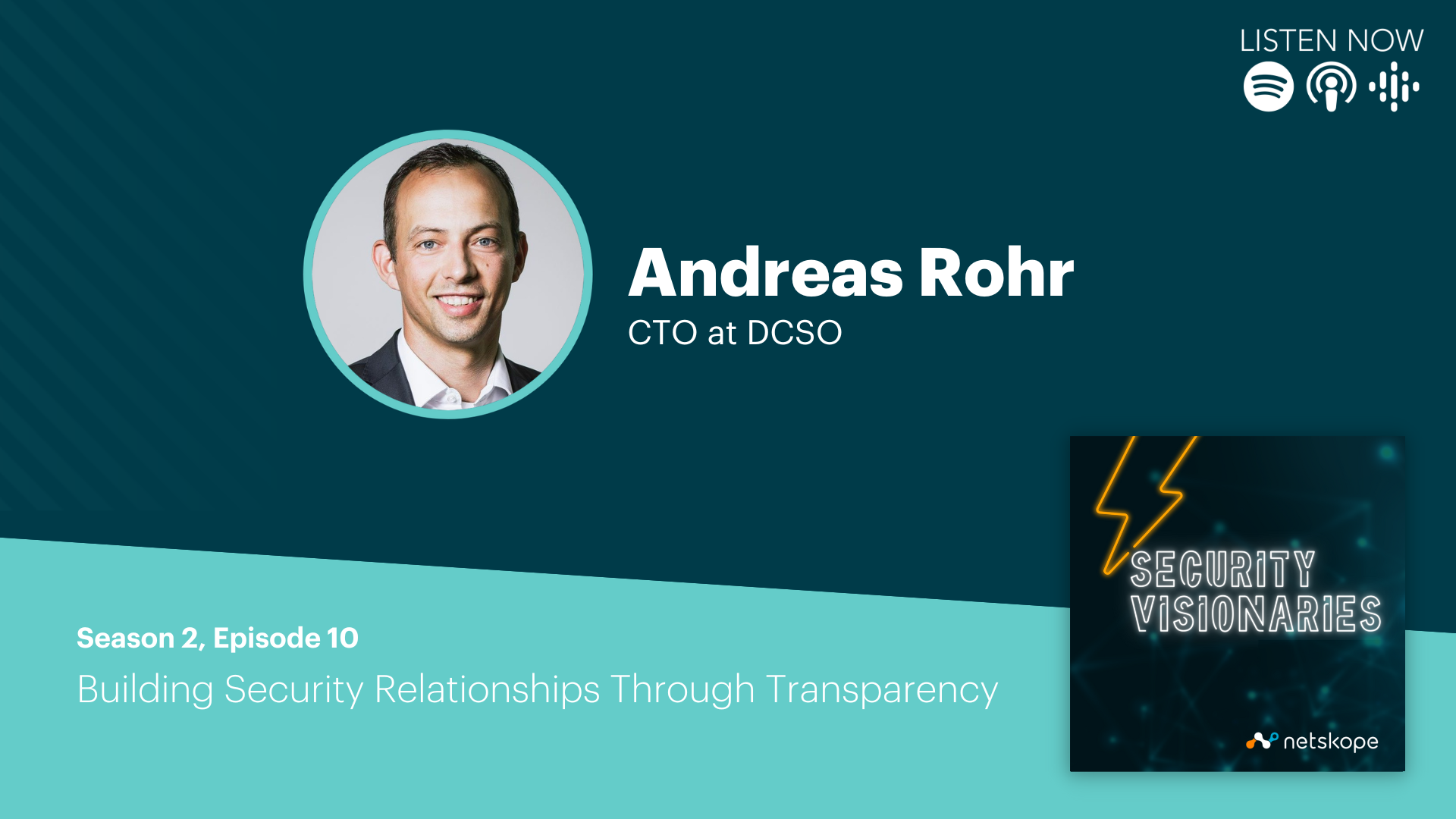
Speaker 2: Hello, and welcome to Security Visionaries. You just heard from today's guest, Andreas Rohr, CTO at DCSO. Aligning organizations on security requires many skills, most importantly, transparency. From establishing top-down communication to collaborating with work councils, transparency answers many questions along the way. Like, who has access to the sensitive information? What is an organization's appetite for risk? And how is the data of employees protected? Before we dive into Andreas's interview, here's a brief word from our sponsor. This Security Visionaries podcast is powered by the team at Netskope. At Netskope, we are redefining cloud, data and network security with a platform that provides optimized access and zero trust security for people, devices, and data anywhere they go. To learn more about how Netskope helps customers be ready for anything on their sassy journey, visit N-E-T-S-K-O-P-E.com. Without further ado, please enjoy episode 20 of Security Visionaries with Andreas Rohr, CTO at DCSO and your host, Mike Anderson.
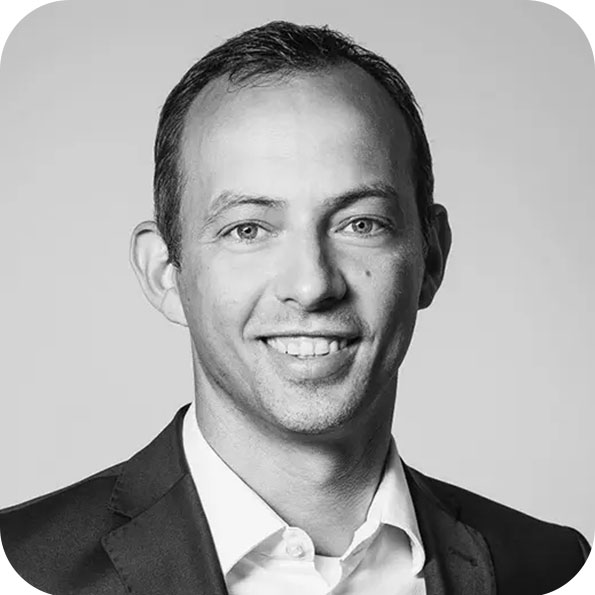
Mike Anderson: Welcome to today's episode of Security Visionaries. I'm your host, Mike Anderson. I'm the Chief Digital and Information Officer here at Netskcope. Today, we are joined by Andreas Rohr who's joining us from Germany. How are you doing today, Andreas?
Andreas Rohr: Oh, very good. Thanks for pronouncing the name very nicely.
Mike Anderson: I'm super excited about this conversation today because when we think about cyber security, you've done some very interesting things around bringing people together in the DACH region and thinking about companies of all sizes as you think about the cyber topic. And so can you tell us more about DCSO, how it started, the mission you've got, what you're trying to accomplish and how you're working with companies?
Andreas Rohr: So DCSO stands for German Cyber Security Organization. So the D is for Deutsche, for those that are maybe familiar with the language. And what basically four companies in the DACH region; Allianz, BASF, Volkswagen and Bayer, you might have heard of, some of the largest companies in Europe, they saw that they should basically combine forces and get exchanging ideas with other peers of themselves to not reinvent always the security topics by themselves and bringing together their experts. Because they have one thing in common, which is 90%, 80% of what they're challenging and security is more or less the same despite that they're competing on the market. And second, the talents are not enough on the market. So bringing them together under one roof and tasking them with things they're all interested in, would make things even better. And resource enabled testing of new ideas. So this is one of the things. The second one is they all have their supply chain they're dependent on. And this was seven years ago, so supply chain attack as a term was not born back then, but they already realized that the weakest link basically is not their secure and their security team and the maturity of them, but their supply chain ones, which are most dependent on.
Andreas Rohr: And digesting or making things in a way digestible from their security insights and learnings, is what DCSO as a community-driven exchange to operationalize such insights and technology as what we also have been founded for, to find ways to make it easier to use and also to apply for those companies that do not have a huge security team or even any knowledge. So operationalizing with security services was the second task, basically during the foundation of the company.
Mike Anderson: No, that's great. And I definitely know that we've got so many open cyber roles out there today. Anything you can do to help companies combat the bad actors that are out there that wanna cause harm to companies. As you said, these are competitors in some cases coming together at the table to figure out how they can basically protect ourselves from the adversaries that live out there in the wild. So it's definitely a strong mission. Have you had other companies that have joined in as part of that? And you've talked about the four that joined originally, but have you had more that have joined in that mission as well?
Andreas Rohr: So that's a good question. So that's not only the four. We very early started this with around 16 of tax companies we're now about 20, 21 or so of like and a few family owned and likewise and size companies. And they basically steer DCSO's kind of development of the portfolio and what we should talk about and what you should research in terms of topics and directions and help us, in an advisory also so to speak, where to develop into. And the second one is what we also like to and actually achieve to implement is a very regular format where they learn not only with new topics, but also the existing things where they failed or how they solved certain challenges and what did not work out. So that's even more important to shortcut learning curves. And this is not only for the less mature companies, it's also amongst the mature ones. And this proves that bringing folks together, despite their competing on a market, actually useful, effective, and should not only be limited to the companies itself, but also to the relationship for authorities and maybe even also for these research institutes. So really bridging the different fields of expertise and insights, especially to also intelligence services. Makes sense in both ways to have a flow, to not make that visible to the takers or adversaries, as you said.
Mike Anderson: I definitely feel that need for that private-public partnership around exchange of intelligence and what's going on from a threat standpoint. Again, it kinda brings this whole concept that security is a team sport. It's not just the four walls of my organization, but it's the whole ecosystem working together. When you look at that, I'm just curious, when you think about the authorities that are out there, have you been able to influence policy or changes that would help companies have better guideposts or things to align to?
Andreas Rohr: Yep, definitely. That was one of the things which I basically learned from the States. So I've seen the NCFTA, where the FBI and other law enforcement and industry was working together. I think as the early years, in the zero days of 2000s and also other formats for which something that's state-driven. But in general, I like the idea a lot that there's a fluent relationship where the necessary things to help each other is actually exchanged. And this drove also my way of influencing how we do that, and in fact, we have a very good relationship to the Ministry of Interior who actually is responsible for being the advisory function and the supervision of the federal police of the BSI, the federal office for information security, and also the one who's protecting the constitution. Not sure what that translates to English. So having those authorities that have all their own insights from [0:07:13.7] ____, from their peers at the FBI for instance, or from other law enforcement or intelligence services, and making sure it's getting passed on via DCSO as a trusted clearinghouse if you want to, where they can trust this will not leak to the public, especially to the attackers.
Andreas Rohr: But helping companies to find certain things where they have no clear indication that a particular company is threatened by a particular actor. But in general and helping to identify if those attackers are active in those networks, has proven to be very valuable because we've helped also the authorities to find out that a particular group was active by us operationalizing the information they gave us in a trusted way. And we could basically tell them back, "Okay, look, this thing you gave us, we have no idea where it came from, but we have seen that here." And so we help the law enforcement and also the intelligence services to have their targets to be better monitored when they have no sensors, because on the domestic side, the authorities are limited to what they can do in contrast to outside of Germany. And the same thing on the other hand, companies who are sometimes maybe very conservative on letting authorities look into their networks could use us to make sure there's only those things that are actually necessary to fulfill to each individual mission is passed on. And having basically us as a bridge to also cover then not always giving trust in the beginning.
Andreas Rohr: So it's developed into something where there's a more trustworthy exchange where those initial fears, they have not vanished, but they're definitely lower than before. So this helps in the end everyone. Not getting pathetic here, but also helping to get a better protection of the democracy itself where you have influencing parties out there.
Mike Anderson: Well, it sounds like you said lack of no trust, so it sounds like zero trust. So it seems like that's a common theme everywhere. I see a lot of organizations trying to align to it. Look at guidepost, like in the US and even beyond, sometimes we see people aligning to the NIST controls that are out there because the insurance companies which; that'll be a topic we'll talk about a little bit later, they're using that as a guidepost. Auditors use it as a guidepost. What do you see as the guidepost for companies that you're working with today? What is that guidepost that they're trying to align to?
Andreas Rohr: So it's not so much NIST-driven, that's just treated in nature that we are in Europe and trying to sometimes, invent the wheel ourselves instead of putting our forces together. But anyhow, so the guidepost here is more the ISO 27000 or something which is similar to it. It's a very German version of it. They all try to go after making sure that you manage your security correctly. And even more in this, the developer of the last years, the maturity level of those control implementations matters more than the actual compliance of it. So think of having compliance things first and then maybe 10 years ago where they started to implement those things, the effectiveness of that is what matters. So there's actually a shift, and what I like with the NIST and also other frameworks, is that they try to get more into the direction, how effective are you actually protecting yourselves and not necessarily only are you managing basically your risks and having controls. And this is where actually things should develop further into. So compliance is needed, but it's only a necessary condition, its not a sufficient one, 'cause a sufficient one is being effective. And effective actually matters more than the full compliance. But this might be not be cited to a regulator, please.
Mike Anderson: Well, it's interesting, 'cause what I see a lot of times is people will acquire tools because the auditors say you need to have the tool. But as you said, the effectiveness is actually, are you using the tool to accomplish the objective that you want to accomplish or drive the business outcome? And a lot of times that's a missing link because people collect tools to satisfy auditors, but they're not getting the effectiveness they need. And so they're now exposing themselves for business disruption from whether it's ransomware, they're exposing themselves to a data breach in their organization.
Andreas Rohr: Yeah. That's something really that the auditors and the regulators should think differently maybe in future because they drive this development by how they put their regulation. And there's a good change, which I saw was a local security guideline that actually became effective or will get effective fully in 1st of May in Germany, which indicates that you need to have... Like in the ISO 27000 new version, that you need to have systems for detecting attacks. That's what they call it. So basically, ISO detection mechanisms and also response. And this is really the things which you also refer to. It's not only a tool thing, they also mandate that you organizationally need to make sure that you are able to analyze those things, in a human and making sense of that, whether that's something serious to go after or not. And then even more important, being able and having things implemented to react. So it's also organizational-driven thing that you need to have 24/7 ability to, to do something about. If there's an indication of a ransomware group being at an early stage. Because you might only have a few hours or at max, days left to prevent the max damage.
Andreas Rohr: And having these organizational things on top of the tooling and the integration and making use of that in an effective manner is where the regulation should... Like insurance companies actually do, they'll rather look for whether something is effectively secure or not. And this is where it actually needs to develop into. But the regulator, for them it's easier to say you need to have a SIM, you need to have a network detection monitoring. So if you have an own data center and what not. But in the end it might be a good advice also to the regulator, maybe that's one of the next missions of DCSO to influence that to be more practically relevant what they actually tell them. And there's a good example for the national security law that was released two years ago in Germany.
Mike Anderson: No, that's great. You mentioned about managing the impact. I remember a peer of mine at a global consumer package goods company said that when NotPetya hit, it infected their entire network and all their systems within 15 minutes, globally. And so I think that thinking is the traditional, "How do I get things as quickly as possible from point A to point B, to C to D, and around my corporate network." That whole thing has to be rethought because then if I get compromised in one node, can it quickly just take over my entire network and bring my entire business down?
Andreas Rohr: Exactly. And when you also search on that matter, think about, this NotPetya was something which most of the folks could have prevented by doing more hygiene on their patching. But before those things happening, at least with ransomware vectors, they make some noise in the network. So there's almost 100% of the cases which we have been involved, doing incident response, we saw enough signals that could have been basically analyzed and triggered action to stop the attack. It would not necessarily make them to remediate those systems and building things from scratch, but they could have prevented the entire damage that actually happened after a few days. And the same thing is also with NotPetya, if you could have patched those things that are known or have been known to be critical, and a few other good practices that actually mandated in those standards, you have mentioned earlier, then this is the homework, the necessary condition. And the sufficient one is to build on top of that a good net of detection that actually gives you the trigger to act. And, not sure whether it would've been worked out in 15 minutes, but in general there is a timeframe which is shrinking to be fair.
Andreas Rohr: But there's a timeframe where you could detect things and can assume that that not all protective measures will always 100% protect you. And it's either being a user click on something or you have not patched or there's unsecure configuration or whatever in there. But if you assume that's the case and you have a detection grid on top of it, that will tell you, "Okay, there's something you don't want to have here. Please have a look and take action." Maybe even in a very automated or predefined way to stop such attacks is what needs to be done for really good companies in terms of security state.
Mike Anderson: Yeah, I fully agree man. If it's manual, you're always depending on the person in the chair and with a skill gap that can become problematic. So exactly to your point, the automation. So I can take preventative measures and run my play as quickly as possible is critical. Going back on thinking about the security side, and I think about data privacy, everyone talks about GDPR. I always remind people, you think GDPR is tough, wait till you have to go in front of German worker council and talk about data privacy for German citizens. When you think about a lot of security tools, you're inspecting what people are doing. How are you helping companies navigate the German worker council to make sure that they can get the right protections in place, but also preserve the privacy of German citizens?
Andreas Rohr: That's a tricky question. There's no silver bullet to making this happen. That works council is happy with what's happening when massive amount of data is inspected, which is needed for detection, to be fair. But the most convincing story for works council who are actually not there to prevent security or the company doing the right things, they're there to make sure that the data is not abused against their employees. It's their mission, their task, and it's a valid one. And to get along with works councils... And when I was in a CISO position in such companies where there were actually a strong works council, the best relationship is if you are really being transparent to what you do, why you're doing that. So I was pretty young back then. I was not really good in arguing potentially, basically on their mission because they're also having the mission to protect the employees from harm. And this also includes cyber attacks or violations of data privacy and breaches, et cetera. So back then I should have argued, what I do now, that helping to prevent attacks by inspecting some traffic or acquiring certain data would've been the right avenue to go. And that's one of the things which they cannot deny if you know how the constitution basically works.
Andreas Rohr: If you tell them the only use case to use this data, where it's valid to use the data, is for detecting malicious activities and not tracking employees and whatnot, and if you give that in writing, that this is what you do and if you adhere to your own rules for that sense, then they basically will in the first place, put some stones in your way and see whether you behave or not. But if you do that constantly that way that you're only using it for detecting malicious things and by that preventing basically their constituents if you want to, then the next time let you easier pass the door than than before. At least I never failed with getting things through the works council. It's just the way how you put that and that you really adhere to most principles to not use the data for something else that you acquire them for.
Mike Anderson: That's great. Well, hopefully, that's a product line offering that you're offering it at DCSO.
Andreas Rohr: Whenever you buy managed services from DCSO, this is included. So we help the customer to get through the door of the works council and I guess we have a pretty good reputation. And since I've worked with works councils before in the Volkswagen world, but also in the utility where they have really strong works council and tell from my past with them and how good the relationship et cetera, then that's the other part of the story. So we bring our experience in and they like that typically and make their life easier in terms of helping them to argue with their folks. And then it's a matter of trust in the end, not like zero trust, it's really the other way around. So if you build a trust then you can do most things with the works council. And even if you give them just a small hint, a read-only account to the technology you are deploying, this also helps a lot. So they're left to have transparency and helping them to see what you're looking at and what you make out of that and how you comment cases, et cetera, this is also helping to build trust. So they might not grasp everything as they see, but this is where they do not have the feeling there's something in the dark that's happening, which might harm my people. And it's not a secret success ingredient, but it's something which if you adhere to it, that actually will get you likely to a good outcome.
Mike Anderson: That's great. I 100% agree with, transparency is what builds trust. When people don't have transparency, people are guessing and guessing doesn't lead to trust. And so that's a great advice there when dealing with German Worker Council, and just generally as a business principle. Transparency is what builds trust. If I look at the role you have today, and you talked about some of your roles, what are some of the learnings you brought into DCSO? You mentioned that you were a CISO in the past, and now the CTO for DCSO. Talk a little bit about that journey and how have things evolved in your thinking as you've transitioned into the role you have today versus more the practitioner and CISO type roles you had in the past?
Andreas Rohr: When I was CISO back then, I had the same challenge as most CISOs that also have technical teams. So I had a fortune to not only be responsible for the governance and the security management system, but also having an own operational security team and the luxury to play around with technology, et cetera. So what I started most was what that I had all those tools in place that does island wise an okay or even a nice job, but there was no coherent way of utilizing that for an entire picture. And I don't want to say single pane of glass things. So I mean this is often used, but making use of the strengths of the different technologies and combining them is what basically made me successful to be very cost efficient in getting actually the entire value out of the different technology I was employing. And also got my team back then in a position to do some nice things that have been not average to what teams can achieve. So taking this, like, a set of or different tools, an army knife, if you want to, a swiss army knife, then the team that's operating that knife actually matters most. So getting them to deal with different types of input technologies, streams, insights, and operationalizing the different capabilities and skills of the people to maximize the outcome and also helping to solve certain homework for our clients in DCSO, is what drove me when we developed the portfolio.
Andreas Rohr: So one of the things I didn't mention earlier was that I have been also tasked to come up with a managed security service portfolio seven years ago. So put yourself back to that time, there was not very common, having maybe an outsourced SARC or so, but not outsourced managed security services so much and solving homework to those organizations so they can focus on the most interesting and hard nuts to crack and not doing the day-to-day job and making this very efficient was possible because I was in the position before. And at the same time having not the speech to the customer saying, "We do that for you." And like taking your job away, which is really something which you get a lot of resistance from security teams which you try to do business with. But helping them, "Look, we know that you need to do that and it's sometimes painful and we also have been in the position before, so we would like to blend into your team, and just accept us being the one who does the super homework every day, 24/7 and why you no focusing on the interesting things?" And we give you all the ingredients for that. So that's one of the things which helped a lot from a CISO and also fear perspective of those mature teams and the customer space to accept that we bring in added value. So it's not a technical question, it's rather how you blend in and complement team skills and capacity. And this is when you are able to convince also the technical folks on the customer side.
Andreas Rohr: And this helped a lot building the portfolio, how we put it, and also getting the community part in each of the services into the game where they talk and exchange with peers, not only how they like us, but also how they solve certain problems in the real world in a day-to-day fashion without having a consultant in place who helps them to solve it in the one or the other way. But learning from the others facilitated to us is what actually makes our success possible. And this is also kind of unique. So we are not focusing only on numbers within customer amount for VC, but really going purpose-driven on that they can help each other and we do kind of their homework in the most innovative way we can. That's where my past actually helped to do a different kind of a portfolio set up.
Mike Anderson: No, that's great. I have to ask, one of the questions that I always get asked, and then I saw a debate going online yesterday on LinkedIn between CISOs about, how do you determine the budget for security? And the debate is always around, is it a percentage of revenue the company? Is it a percentage of the IT budget? Is it based on the risk posture of the organization and what they wanna invest around that? How are you... I gotta imagine that's a question you get all the time from companies. How are you answering that question?
Andreas Rohr: It's rather the CISOs should get a, if you ask me, a trusted, neutral advisor who has no own interest in selling something. Sometimes I actually find myself similar positions. We get hired from board of directors and basically looking at their estate, et cetera, and then knowing that I also sell those services, but tell them what's needed and what's... I'm not saying rubbish, but where they overspend things and being really frank and not only looking for benchmark and going, after effective things. So what is those things that you wanna protect most, which actually makes your business running? Like a business impact analysis. If you know you're 10%, you are most dependent on, and if you put all the effective security roles on top of that and do a medium job for the remaining things, is the better advice to go after, rather than looking for the, pure numbers. And either you wanna protect your business or not, the 10%. And this is the way how I talk to them, then, okay, what's needed for that? Obviously is the next question. And so how much is an appropriate amount of money to spend? While they're getting top-down first, I was the critical business processes and then bottom-up. What's needed for that? And, then say, "Okay, for the remaining one, I can use a benchmark." So this is how I would approach it.
Mike Anderson: Yeah, it's good advice if I think across the business. You talked about supply chain risk early on in the conversation. When I was at Schneider Electric, I would talk to our head of supply chain about, what's the security posture of our suppliers? How does that fit into our sourcing strategy? And it all becomes into this whole enterprise risk conversation, not just cyber, but what's the financial stability of that company that I'm working with? Security now becomes another question that's right alongside that because if I can't get steel, it's hard to manufacture products without steel. And so looking through that, so I think you're spot on with that. I would hope that would fit for most of the companies that manufacturing summit and that 10% that they're really focused in on, that they wanna protect.
Andreas Rohr: Absolutely. And we have learned the disruption of supply chain with the Suez Canal, which is a very physical event, now we had this pandemic thing, we have this maybe trade war and related things, and then we have this shortage of resources due to the crisis in Europe with the war and also with China maybe not being able to operate their factories because they can't or they don't want to. So whatever it is. So knowing exactly where your weak links are and managing them actually will basically, or have already reset our way of measuring risk. And we also should factor in, that's one of the learnings of last year, that not always the adversaries act rational. So having a risk management and evaluation based on rational behavior of others, this might true for most of the things, like the financial market maybe and other things, but not necessarily for states like Russia. And we should also assume that there is a disruptive way of acting without any obvious reward to those who do that, which would be rational. And this is one of the things where you should be more conservative in terms of evaluating those risks, rather than, "Yeah, that's so unlikely, so it will not happen." This is also something which we should actually take into account.
Mike Anderson: Absolutely. I'm gonna pivot a little bit, as you talked about work with board of directors and others, when you think about security as a team sport, often times the CISO is the one that takes all of the... It's like probably one of the hardest jobs in the world, because there's no a dollar amount you can spend that's gonna protect you a 100%, and so it's always a risk-reward trade off. But it's also not just the CISO's job. How are you seeing, and how are you helping advise companies on how do they make security become part of the fabric of their organization and their people across the organization in all different units, business units and functions? How are you driving that and are you seeing that evolution occur at the pace you would expect it to?
Andreas Rohr: So the advice is to split it up into two different disciplines. One is more from a compliance perspective and getting the frame in place, and also the backing from the board for the most general things, which are not business-driven by itself. And the second one is making the teams end-to-end responsible. So the modern way of development and running applications is the DevOps team. So this has proven to be for most things the best setup. And adding security, and that one was the buzzword, DevSecOps, actually means that you embed the security for operations, but also for the developers in a very close loop. And this is the way how you actually make everyone aware what they're doing, what the impact is, and what in a best case should be implemented rather than a gateway centric development cycle. And by that you can react much faster on vulnerabilities, on insights, on things, attackers abuse, that it might be normal function. And this is the most modern setup you want to have in IT anyhow, and adding the security to it. And by that, also developing the developers and then the operations folks to know what they should do, because basically they have not been raised with that knowledge. And training on the job, so to speak, is the best way of implementing that in the most effective way.
Andreas Rohr: Don't talk down in terms of their skill in terms of doing that the right way. But if there's something sitting next to them having that thing and they're basically backing each other up on certain aspects, it's the most effective way to do. And this is the second one, which should be implemented. And the functional lead or the tribe lead, so to speak, for the subject matter of security should be with the CISO. So having a matrix organized way of implementing that, but they should be embedded in sitting with the developers and the operations folks, so as a normal security would be. So that's, in my opinion, the best way to do, there are industries where this does not work out, so where we need to act differently, but for IT driven companies, this is the best way to ensure that's happening. And maybe there, the security folks cannot be there 100% of their time because lack of talents as we know, but having this in general will implement it and swapping teams and making this possible is the way how it should go.
Mike Anderson: Das ist großartig. Und Dinge, die ich bis jetzt gesehen habe... Wenn ich darüber nachdenke, dass IT- und Digitalteams aufbrechen, ist DevSecOps definitiv die Blaupause, um dieses Schlagwort zu verwenden, der richtige Weg. Wenn ich an meine Finanzfunktionen, meine HR-Funktionen und meine verschiedenen Geschäftsbereiche denke, welche Dinge sehen Sie Ihrer Meinung nach daran, Sicherheit in die Denkweise von Menschen außerhalb der Technologieorganisation und des Technologieunternehmens zu bringen? Wie machen Sie Sicherheit zum Bestandteil der Organisationsstruktur?
Andreas Rohr: Ich bin mir nicht sicher, ob dies tatsächlich nur eine aktive Aufgabe des CISO ist, das ist eine Art Vorstandsmitglied, das mit der Reise beginnt. Und es ist keine Herausforderung mehr, denn die Angriffe von Kollegen und nahegelegenen Zielen sowie die störenden Aktionen der Angreifer des letzten Jahres haben tatsächlich sehr dazu beigetragen, das Unwahrscheinliche, was meiner Organisation passieren könnte, in eine tatsächliche Sache zu verwandeln. Okay, wir müssen uns darum kümmern. Es ist keine statistische Sache, es wird mich alle 10 Jahre treffen, aber es wird mich definitiv innerhalb der nächsten zwei Jahre treffen und deshalb muss ich mich darum kümmern. Und es ist allgemein bekannt, dass Sicherheit nicht zu 100 % sicher umgesetzt werden kann, um alles zu verhindern. Und das gilt auch für Personalwesen, Finanzen usw. Der Unterschied zu ihnen besteht also darin, dass ihnen ein Tor gegeben werden muss [0:31:15,5] ____ was sie tun sollten, was sie nicht tun sollten und wie und wo sie fragen können, wenn sie sich bei bestimmten Dingen unsicher sind. Und das ist in erster Linie Bewusstsein, oder... Ich denke, Netskope verwendet dafür von Zeit zu Zeit auch den Begriff „menschliche Firewall“. Und es ist gut, sie grundsätzlich zu beraten und zu unterrichten, aber es ist nicht so gut, ihnen auch eine helfende Hand zu geben, wenn sie es brauchen, was zu tun ist, wenn sie unsicher sind. Das ist also noch wichtiger, damit es vielleicht etwas Verdächtiges gibt, okay, aber wenn sie auf einen Blick von einer Stunde oder ein paar Minuten Hilfe bekommen, wird das noch wichtiger sein.
Mike Anderson: Ja. Sie hatten die menschliche Firewall erwähnt. Es war intern eine große Kampagne unseres CISO hier in Lamont, weil wir immer darauf achten, dass das schwächste Glied in jedem Sicherheitsprogramm die Leute sind, die den Vorsitz innehaben und jeden Tag ihre Arbeit erledigen. Wir verfügen über großartige Werkzeuge, um die Menschen zu finden, die vorsätzlich Schaden anrichten wollen. Es sind die Menschen, die jeden Tag versehentlich Schaden anrichten und auf Links klicken, die sie nicht tun sollten. Sie bringen Apps mit, die sie nicht verwenden sollten. Sie legen Daten in den Apps ab, die dort nicht sein sollten. Das ist die Sache, mit der wir uns befassen wollen. Eines der großen Dinge, von denen ich ein großer Fan bin, ist, wie wir bessere digitale Bürger schaffen können. Man hört Schatten-IT als ein Konzept, das es heute gibt. Und wenn Sie den CEO jetzt fragen, ist es eher eine geschäftsorientierte IT, weil wir eine neue Generation von Mitarbeitern haben, die Digital Natives sind. Und wie ermöglichen wir ihnen, Probleme auf sichere Weise zu lösen? Das ist meine neue Lebensaufgabe als CIO eines Sicherheitsunternehmens: Wie ermögliche ich der Person am Vorsitz, das Problem auf sichere Weise zu lösen, damit wir diese Digital-Native-Denkweise freisetzen können? Wie entwickeln die Menschen das weiter? Schatten-IT war schon immer das große Ding, aber wenn man sich viele Zulieferfabriken ansieht, wie Sie erwähnt haben, stellt der Leiter der Fabrik jemanden ein, der ein Dashboard für sie erstellt. Wie sehen Sie also, dass sich einige dieser Überlegungen weiterentwickeln?
Andreas Rohr: Die Schatten-IT entsteht dadurch, dass Sie keinen flexiblen Support erhalten, Ihr eigenes Gerät mitbringen oder einen Server hochfahren oder was auch immer. Eine agilere und vertrauenswürdigere Methode zur Bereitstellung von Rechen- und Speicherressourcen würde vielen dieser Schatten-IT-Mitarbeiter helfen, da sie keinen Server unter ihrem Schreibtisch haben möchten. Also will das niemand. Sie tun das nur, weil sie nicht die Hilfe bekommen, die sie brauchen. Lösen Sie das Problem also schrittweise und nehmen Sie vielleicht auch das Risiko in Kauf, dass sie nicht die Besten in der Verwaltung eines Servers sind, aber es ist immer noch besser, als eine Schatten-IT zu haben. Und so das Erste. Und die zweite Möglichkeit besteht darin, dass die Benutzer zum Beispiel ihre eigenen Sachen mitbringen und um diese vielleicht eine kleine Mauer herum bauen können, die dabei hilft, die wichtigsten hygienischen Dinge zu klären, aber kein zu 100 % verwaltetes Gerät zu haben. Das könnte also auch helfen. Und dann gibt es Hinweise, Sie erhalten eine E-Mail von einer Zeitzone oder von einem Ort, dieses Zentrum, in das Sie zuvor eingegriffen haben, ist nicht korrekt oder anders, dann erhalten Sie möglicherweise eine Kleinigkeit: „Ja, diese E-Mail stammt von.“ Ihre Organisation oder dies wurde in einer ungewöhnlichen Zeit gesendet.“ Wenn man also im Grunde darauf hinweist, dass die Benutzer ein genaueres Auge auf das haben, was sie gerade tun und womit sie konfrontiert sind, hilft das am Ende auch dabei, bessere Entscheidungen zu treffen.
Mike Anderson: Nein. Das ist definitiv ein toller Rat. Ich möchte also ein wenig darauf eingehen, wir nennen das die futuristischen Fragen. Wenn wir also nach vorne schauen, haben Sie sicher gelernt, dass Sie, wenn Sie auf die letzten fünf Jahre zurückblicken, wahrscheinlich eine Menge Dinge gesagt hätten: „Wenn ich das anders machen könnte, hätte ich es getan.“ Hier entlang." Wenn ich auf fünf, zehn Jahre vorspule, sagen wir mal 2030, in was würden sich Sicherheits- und IT-Verantwortliche wünschen, dass sie jetzt investiert hätten, wenn sie auf das Jahr 2030 zurückblicken?
Andreas Rohr: 2030 ist ein ziemlich langer Zeitraum, aber sagen wir mal, in den nächsten fünf Jahren. Immer noch herausfordernd genug, um zu erraten, was im Grunde wichtig gewesen wäre, sich im Ökosystem der Partner, in denen man agiert, flexibel zu machen, und dies führt zu einer Möglichkeit der Integration nicht kontrollierter Ressourcen. Entweder Datenflüsse oder Dienste usw. zu sein, war eine sehr flexible Möglichkeit, sie in eine Verbindung einzubinden und auf dieser sehr abstrakten Ebene bestimmte Richtlinien und Dinge durchzusetzen, die Sie möglicherweise ändern möchten, wenn Sie Ihren Partner oder Ihre Plattform ändern. und so weiter. Und das führt zu einem Zero-Trust-Prinzip und zweitens zu einer Art Fabric, die Sie kontrollieren, die aber flexibel genug ist, um im Laufe der Zeit kein Monolith zu sein, sondern Ihnen die Nutzung verschiedener Cloud-Dienste, verschiedener Partnernetzwerke usw. zu ermöglichen so weiter. Und wenn Sie nicht in die Möglichkeit investieren, diese Dinge steckbar zu machen, haben Sie viel mehr Zeit, um neue Setups auf den Markt zu bringen. Und das wird am Ende ein Wettbewerbsvorteil sein oder auch nicht, wenn Sie das nicht tun. Sie möchten also in steckbare Lösungen investieren und Punkte durchsetzen, um sicherzustellen, dass Ihre Entscheidungen auf die richtige Art und Weise getroffen werden. Und am Ende handelt es sich gewissermaßen um ein Zero-Trust.
Mike Anderson: Das ist großartig. Da Sie also das Wort „Zero Trust“ angesprochen haben, denken wir oft an Cyber. Warum investieren wir in Cyber? Es geht darum, Verstöße wirklich zu vermeiden und Geschäftsunterbrechungen zu vermeiden. Wenn wir also Zero Trust betrachten, wie sehen Sie die Entwicklung? Welchen Einfluss hat das darauf, wie Unternehmen über den Schutz ihrer Daten denken? Denn das ist offensichtlich der Kern dessen, was wir im Hinblick auf Datenschutzverletzungen zu schützen versuchen.
Andreas Rohr: Ich glaube, dass Zero Trust tatsächlich anders hilft, als die meisten Leute denken, wenn es um die Verhinderung von Verstößen und eine bessere Verwaltung von Datenzäunen geht, wenn Sie so wollen. Vielmehr geht es darum, flexibler zu sein, wenn Sie Ihre Architektur, Ihre Anwendungslandschaft, Ihre Partner, Ihre Akquisition usw. ändern, und dadurch Zeit für die Markteinführung zu haben, um auf Änderungen zu reagieren. Und aus diesem Grund möchten Sie möglicherweise nicht viele Annahmen in Ihre Architektur und Ihre Datenflüsse einfließen lassen. Zero Trust und auch sehr datenzentrierte Workflow-Ansätze helfen Ihnen also, flexibler zu bleiben. Und der größte Vorteil einer Website besteht darin, dass Sie, wenn Sie sehr gut darin sind und kontrollieren können, wer welchen Datendienst von welchem Standort aus und mit welchem Gerätetyp und was auch immer und mit Authentifizierungsebene nutzen darf, dann wahrscheinlich auch beim Schutz bessere Arbeit leisten es ist eine ganz große Lücke. Möglicherweise verlieren Sie das eine oder andere System oder das eine oder andere Daten, aber nicht das Ganze, wenn Sie diese mikrosegmentierte Art haben, die verschiedenen Teile zu steuern, wenn Sie das wollen. Und die Fähigkeit, dies zu tun, wird Ihnen Wettbewerbsvorteile verschaffen. Wenn Sie mich nebenbei fragen: Wenn Sie es mit einer guten Governance und Sicherheitsabläufen richtig umsetzen, dann haben Sie auch den Nebeneffekt, dass Sie Ihre Daten besser schützen.
Mike Anderson: Nein. Das ist gut. Das ist ein toller Rat. Und wenn ich einen Moment darüber nachdenke, ist Zero Trust bei allen Unternehmen, mit denen Sie heute zusammenarbeiten, offensichtlich ein heißes Thema, denn wenn Sie zu RSA gehen, hat jeder Anbieter es auf seinem Stand. Ich bin mir sicher, dass wir dieses Jahr dasselbe sehen werden. Wenn Sie sagen würden: Was sind die zwei oder drei wichtigsten Dinge, von denen Sie hören, von CIOs und CISOs und Vorständen, mit denen Sie heute zusammenarbeiten? Was sind die aktuellen Themen, die Sie heute hören?
Andreas Rohr: Das Dringendste ist, dass wir wissen, dass sich niemand zu 100 % schützen kann. Es ist wirklich [0:38:05.0] ____ von Leuten, bei denen sie grundsätzlich Angst haben, dass sie die Signale nicht früh genug sehen und dann im Grunde eine schwache durchschnittliche Ausfallzeit haben und in diesem Sinne während dieser Ausfallzeit Millionen oder sogar zweistellige Milliarden verlieren und nicht darüber reden, dass sie keine neuen machen können Geschäft usw. Das ist also wirklich das Risiko Nummer eins, für das sie auch Schwierigkeiten haben, einen Versicherungsschutz zu bekommen. Das ist also eine Störung ihres Kerngeschäfts und ohne dass sie auch im Hinblick auf ihre Fürsorgepflicht genug getan haben. Daher wissen die meisten Direktoren im Vorstand, dass sie ein solches statistisches Risiko nicht vernachlässigen können, aber sie müssen sich darum kümmern. Und sie wollen auch sicherstellen, dass das, was sie tun, nicht etwas ist, das sie mit mehr Konzentration oder mehr Budget hätten verhindern können. Und die zweite Sache, die ebenfalls damit zusammenhängt, ist, dass sie sicherstellen wollen, dass ihre wichtigsten Lieferkettenpartner in etwa in der gleichen Lage sind wie sie selbst. Es kommt also zu Geschäftsunterbrechungen, nicht unbedingt für die eigenen Systeme und die eigene Umgebung, sondern für diejenigen in der Lieferkette, die vor- oder nachgelagert ist. Stellen Sie außerdem sicher, dass ihnen grundsätzlich keine Einnahmequellen entgehen. Und das ist eigentlich das, was ich am häufigsten höre, und Sicherheit ist da nur der gemeinsame Nenner.
Andreas Rohr: Es geht also darum, den Datenfluss der Wertschöpfungsströme wirklich resilient gegen solche Angriffe zu machen. Und die übrigen Dinge sind einfach eine Ableitung davon. Das ist es, was ich am häufigsten höre, und Zero Trust ist leider kein künstliches Thema, denn es handelt sich um die strategischere Sache, um besser zu werden, und das ist eine zweite Agenda im Vergleich zu dem, worum es ihnen heute eigentlich geht. Das wird das Problem also in 3-5 Jahren lösen, aber nicht unbedingt heute, denn Zero Trust ist kein Produkt. Sie beginnen das zu verstehen. Und dann sage ich ihnen auch: „Fallen Sie nicht auf diejenigen herein, die Ihnen sagen, es sei ein Produkt.“ Es ist einfach so, dass Greenfield eine neue Sache war. Machen Sie Ihre Erkenntnisse, passen Sie es an Ihre Bedürfnisse an und versuchen Sie dann im Laufe der Zeit, es zu migrieren und akzeptieren Sie, dass 20 % nie Zero Trust aktiviert haben. Belassen Sie es einfach als Vermächtnis, bauen Sie größere Zäune darum herum und stellen Sie sicher, dass Sie diese Dinge unter Kontrolle haben und nicht zu viel nachdenken.
Mike Anderson: Nein. Das ist definitiv ein toller Rat. Und es gibt zu viele Unternehmen da draußen, die sagen: „Kaufe mein Produkt und jetzt hast du null Vertrauen.“ Und das gibt es, wie Sie sagten, einfach nicht. Es ist also auf jeden Fall ein toller Rat. Sie haben das Thema Versicherungen ein wenig angesprochen, und wenn ich über die Versicherungsbasis nachdenke, fällt mir auf, dass viele Leute sagen: „Weißt du was?“ Wir werden uns selbst versichern oder die Dollars, die wir für Versicherungen ausgeben, in unser Sicherheitsprogramm investieren.“ Weil sie das Gefühl haben, dass es im Grunde so viele Möglichkeiten gibt, wie die Versicherungsgesellschaften aus der Zahlung herauskommen können, wie z. B. zu vermeiden, dass der Nationalstaat sagt, wenn es sich um einen Angriff des Nationalstaats handelt, gilt das nicht. Wie sehen Sie die Denkweise der Menschen? Beobachten Sie das Gleiche, wenn die Leute sagen: „Weißt du was, warum versichern wir uns nicht einfach selbst und investieren das in unser Sicherheitsprogramm?“ Siehst du das? Wie sieht die Zukunft der Versicherung im Cyberspace aus?
Andreas Rohr: Es gibt große Versicherungen, bei denen das unten genannte Cyber-Risiko grundsätzlich nicht gilt... Wir können diese Risiken nicht mehr versichern, weil sie aus Sicht einer Versicherungsgesellschaft den Reifegrad nicht wirklich messen können. Wie wahrscheinlich ist es also, dass ein Unternehmen einem Angriff zum Opfer fällt? Und der zweite Punkt ist, dass die zu erfüllenden Voraussetzungen manchmal willkürlich sind, sagen Versicherungsunternehmen. Es ist anders und es ist tatsächlich ein Albtraum, diese Fragebögen auszufüllen, und manchmal helfen wir ihnen dabei, strategisch das Kreuz an der richtigen Stelle zu setzen und auch nicht falsche Dinge zu sagen, sondern die tatsächlichen Dinge, sodass sie die Entscheidungen sind, die sie im Nachhinein nicht sagen können. „Ja, das haben Sie hier gesagt, und Sie haben sich nicht daran gehalten oder es nicht tatsächlich umgesetzt.“ Geben Sie also den Dollar vielleicht für die eigene Sicherheit aus, anstatt sie zu versichern. In einer guten Mischung aus Risikomanagement möchten Sie immer Wege zu einer Versicherungsgesellschaft aufschieben, die klassische Managementpraxis betreibt. Ich würde daher raten, das überhaupt nicht zu tun. Daher ist es durchaus sinnvoll, auch dann abzusichern, wenn die Dinge wirklich schlecht laufen, um einige Kosten oder Betriebsunterbrechungen abzudecken.
Andreas Rohr: Wenn es ein lächerlich hoher Preis ist, dann denken Sie vielleicht: „Ich setze es besser auf meine Fähigkeit zu reagieren und Dinge zu erkennen.“ Und vielleicht einige der Sicherheitsinitiativen irgendwie vorantreiben, aber ich würde das eine nicht gegen das andere eintauschen. Sie sollten mit Ihrem Vertrauen in architektonische Dinge strategisch vorgehen und sicherstellen, dass Sie selbst die richtigen Hausaufgaben machen, die vollständige Hygiene gewährleisten und dann auch versuchen, die Versicherungsgesellschaften davon zu überzeugen, dass Sie im Sicherheitsbereich gute Arbeit leisten und trotzdem bekommen Das. Ich denke aber, dass die Versicherungsmarke mit der Zeit keine sehr lukrativen Policen für die Versicherung von Cyber-Risiken bieten wird. Das ist mein Bauchgefühl. Das kann ich nicht beweisen. Aber was ich sehe und höre und sehe, wie wir das aus einer statistischen und Massenperspektive messen würden, was eines meiner Studien war, bevor ich meine berufliche Laufbahn begann, dann sehe ich nicht, dass wir in der Lage sind, mit Modellen zu rechnen, die tatsächlich beschreiben richtig mit, weil es keine statistische Grundlage ist.
Mike Anderson: Ich werde uns jetzt einem unterhaltsamen Teil unseres Podcasts widmen, den wir Quick Hits nennen. Ich werde dir ein paar Fragen stellen, Schnellfeuer, und mal sehen, welche Antworten du bekommen hast. Die erste Frage lautet also: Was ist der beste Führungsratschlag, den Sie jemals bekommen haben?
Andreas Rohr: Das war sehr früh in meiner beruflichen Laufbahn. Und im Grunde sagte der CEO zu mir: „Selbst wenn Sie der beste Fachexperte für das sind, was Sie hier auf der Welt zu lösen versuchen, dann hören Sie lieber auf Ihr Team und sagen Ihnen, was Sie sagen, Sie werden überrascht sein, welche Antworten sie geben.“ Komm zu dir mit. Und das ist vielleicht nicht so gut oder so gültig, wie Sie es vielleicht selbst gemacht hätten, aber was noch wichtiger ist, wird sein Beitrag sein, der dafür sorgt, dass es nachhaltig ist und Sie im Grunde besser schlafen und sich der nächsten Herausforderung stellen können. Und das ist so wahr. Und 90 % dessen, was Ihrer Meinung nach die beste Lösung für die Sache gewesen wäre, basiert auf Ihrer eigenen Erfahrung und auf anderen Erfahrungen anderer. Das gilt also auch für Diversität. Während sie dann zuhörten und sich überraschen ließen, wurde ich sehr oft überrascht, was mir am besten gefällt. Deshalb ermutige ich wirklich jeden, das auszuprobieren und ihm eine Chance zu geben.
Mike Anderson: Auf jeden Fall ein guter Rat. In Ordnung. Was wäre Ihre letzte Mahlzeit?
Andreas Rohr: Ich war also einige Zeit in Indien, in Mumbai, also alle zwei Monate für zwei oder drei Wochen. Und ich glaube, das hätte ich gerne, und dort essen sie sehr scharf. Was mir am besten gefiel, war scharfes Hühnchen-Masala und etwas Knoblauch-Naan-Brot. Deshalb vermisse ich das sehr. Vielleicht ist es das, was ich bestellen würde.
Mike Anderson: Alles klar, das Letzte. Was ist Ihr Lieblingsbuch, das Sie dieses Jahr gelesen haben?
Andreas Rohr: Ich habe ein Buch von Ellis Miller gelesen, das eigentlich schon ziemlich alt ist, ich glaube, 30 Jahre alt oder so. Und es heißt „Das Drama des begabten Kindes“. Und es geht darum, ein Kind so zu erziehen, dass es sich nicht an die Erwartungen seiner Umgebung hält und sich anpasst und tut, was es will, sondern dass es das findet, wofür es wirklich leidenschaftlich ist, und es weiter entwickelt. Das ist also ein sehr schönes Buch zum Lesen, das Ihrem Kind hilft, sich zurechtzufinden. Also mir gefällt das sehr gut.
Mike Anderson: Das muss ich auf die Leseliste setzen, da ich als Vater von vier Kindern wahrscheinlich ein paar gute Nuggets zum Mitnehmen dabei habe. Na ja, danke Andreas. Das ist ungefähr die ganze Zeit, die wir heute haben, und ich schätze das Gespräch wirklich. Wir hatten heute also ein tolles Gespräch mit Andreas. Die drei Dinge, die ich daraus in erster Linie mitgenommen habe, und Andreas hat es schon ein paar Mal angesprochen, sind, in unserer gesamten Organisation zu arbeiten, unsere Umgebung zu betrachten und die Menschen um uns herum im Ökosystem zu nutzen, denn das wird uns helfen viel erfolgreicher sein. Das zweite, was ich mir ansehe, ist, wenn wir uns Tools ansehen, nicht nur Tools sammeln, sondern sicherstellen, dass sie integriert sind und dass sie auf die Ergebnisse abgestimmt sind, die ich in meiner Organisation vorantreiben möchte, damit Sie mehr erreichen können effektiv und effizient zugleich. Und das Letzte, was ich aus unserem Gespräch mitgenommen habe, ist: Denken Sie über die Wertströme Ihres Unternehmens nach und wie integriere ich Sicherheit darin, damit ich in Bezug auf diesen bestimmten Wertstrom in meinem Unternehmen die richtige Risikohaltung habe? Super aufschlussreiches Gespräch und ich hoffe, es hat Ihnen gefallen. Schauen Sie sich unsere nächste Folge im Security Visionaries Podcast an, die bald erscheint.
Sprecher 2: Der Security Visionaries Podcast wird vom Team von Netskope bereitgestellt und ist schnell und einfach zu bedienen. Die Netskope-Plattform bietet optimierten Zugriff und Zero-Trust-Sicherheit für Personen, Geräte und Daten, wo auch immer sie sich befinden. Wir helfen Kunden, Risiken zu reduzieren, die Leistung zu steigern und einen unübertroffenen Einblick in alle Cloud-, Web- oder privaten Anwendungsaktivitäten zu erhalten. Um mehr darüber zu erfahren, wie Netskope seinen Kunden hilft, auf ihrer frechen Reise auf alles vorbereitet zu sein, besuchen Sie NETSKOPE.com.
Sprecher 4: Vielen Dank, dass Sie den Sicherheitsvisionären zuhören. Bitte nehmen Sie sich einen Moment Zeit, um die Sendung zu bewerten und zu rezensieren und sie mit jemandem zu teilen, den Sie kennen und dem sie gefallen könnte. Seien Sie gespannt auf die Episoden, die alle zwei Wochen veröffentlicht werden, und wir sehen uns in der nächsten.

























)