









Report herunterladen: Wie CIOs und CEOs im KI-Zeitalter in Einklang kommen

Schließen
Schließen
Ihr Netzwerk von morgen
Planen Sie Ihren Weg zu einem schnelleren, sichereren und widerstandsfähigeren Netzwerk, das auf die von Ihnen unterstützten Anwendungen und Benutzer zugeschnitten ist.
Erleben Sie Netskope
Machen Sie sich mit der Netskope-Plattform vertraut
Hier haben Sie die Chance, die Single-Cloud-Plattform Netskope One aus erster Hand zu erleben. Melden Sie sich für praktische Übungen zum Selbststudium an, nehmen Sie an monatlichen Live-Produktdemos teil, testen Sie Netskope Private Access kostenlos oder nehmen Sie an Live-Workshops teil, die von einem Kursleiter geleitet werden.
Ein führendes Unternehmen im Bereich SSE. Jetzt ein führender Anbieter von SASE.
Netskope wird als Leader mit der weitreichendsten Vision sowohl im Bereich SSE als auch bei SASE Plattformen anerkannt
2X als Leader im Gartner® Magic Quadrant für SASE-Plattformen ausgezeichnet
Eine einheitliche Plattform, die für Ihre Reise entwickelt wurde
Generative KI für Dummies sichern
Erfahren Sie, wie Ihr Unternehmen das innovative Potenzial generativer KI mit robusten Datensicherheitspraktiken in Einklang bringen kann.
Moderne Data Loss Prevention (DLP) für Dummies – E-Book
Moderne Data Loss Prevention (DLP) für Dummies
Hier finden Sie Tipps und Tricks für den Übergang zu einem cloudbasierten DLP.
Modernes SD-WAN für SASE Dummies-Buch
Modernes SD-WAN für SASE-Dummies
Hören Sie auf, mit Ihrer Netzwerkarchitektur Schritt zu halten
Verstehen, wo die Risiken liegen
Advanced Analytics verändert die Art und Weise, wie Sicherheitsteams datengestützte Erkenntnisse anwenden, um bessere Richtlinien zu implementieren. Mit Advanced Analytics können Sie Trends erkennen, sich auf Problembereiche konzentrieren und die Daten nutzen, um Maßnahmen zu ergreifen.
Technischer Support von Netskope
Überall auf der Welt sorgen unsere qualifizierten Support-Ingenieure mit verschiedensten Erfahrungen in den Bereichen Cloud-Sicherheit, Netzwerke, Virtualisierung, Content Delivery und Software-Entwicklung für zeitnahen und qualitativ hochwertigen technischen Support.
Netskope-Video
Netskope-Schulung
Netskope-Schulungen helfen Ihnen, ein Experte für Cloud-Sicherheit zu werden. Wir sind hier, um Ihnen zu helfen, Ihre digitale Transformation abzusichern und das Beste aus Ihrer Cloud, dem Web und Ihren privaten Anwendungen zu machen.

Der Netskope Threat Labs Report beleuchtet jeden Monat ein anderes Segment. Der Zweck dieser Berichtsreihe besteht darin, strategische, umsetzbare Informationen zu aktiven Bedrohungen für Benutzer in jedem Segment bereitzustellen. Das in diesem Bericht hervorgehobene Segment sind Benutzer in Lateinamerika.

10 Min. Lektüre

In diesem Bericht Link Link

Cloud App Adoption: OneDrive is the most popular app among users in Latin America, followed by Google Drive and Microsoft Teams. Overall, Google apps are more popular in LATAM, while Microsoft apps are more popular in other regions, with the exception of OneDrive and Outlook. Communication apps, such as WhatsApp, Google Chat, and Slack, are significantly more popular among users in Latin America when compared to other regions.

Cloud App Abuse: Attackers are increasingly abusing cloud apps as a malware delivery channel in Latin America, where cloud-delivered malware increased from 47% to 71% in the past twelve months, led by malware downloads from popular apps, including Microsoft OneDrive, Amazon S3, and Outlook.

Malware & Ransomware: The most common types of malware blocked by Netskope in Latin America were Trojans, followed by downloaders, and backdoors. Grandoreiro and Mekotio, which are banking Trojans, are among the top malware families blocked by Netskope in Latin America. LockBit and BlackCat are among the top ransomware blocked by Netskope in the same period.
Einführung von Cloud-Apps Link Link

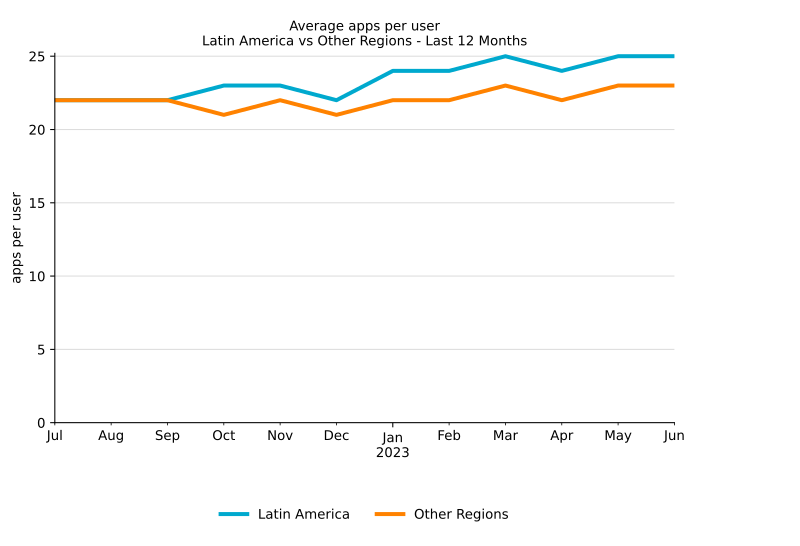
Cloud app adoption continues to increase in Latin America, with enterprises using cloud apps to improve productivity and enable hybrid workforces. The number of apps a user in Latin America interacts with has increased from 22 to 25 apps over the past twelve months, ahead of other regions. The 12-month average of 23 apps in Latin America is slightly higher than the average of 22 apps in other regions. The top 1% of users in Latin America interacted with 75 apps per month, compared to 96 apps in other regions.

Average apps per user Latin America vs Other Regions - Last 12 Months

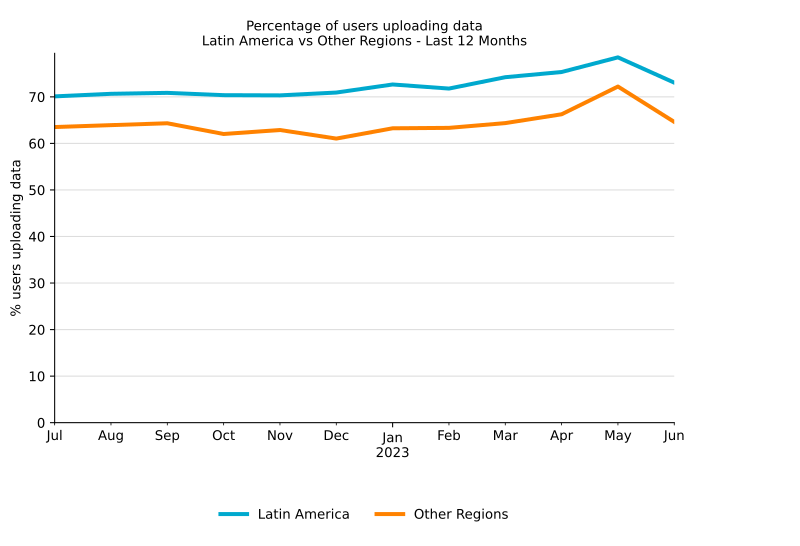
Users in Latin America downloaded data from cloud apps at almost the same rate as users throughout other regions, with 95% of users downloading data from cloud apps in Latin America each month, versus 93% in other regions. In the last 12 months, 72% of users in Latin America, on average, uploaded data to cloud apps, compared to 64% of users in other regions. Over the past 12 months, the number of users uploading to cloud apps in Latin America increased 4% between July 2022 and June 2023, growing almost at the same rate as other regions.

Percentage of users uploading data Latin America vs Other Regions - Last 12 Months

Beliebteste Cloud-Apps

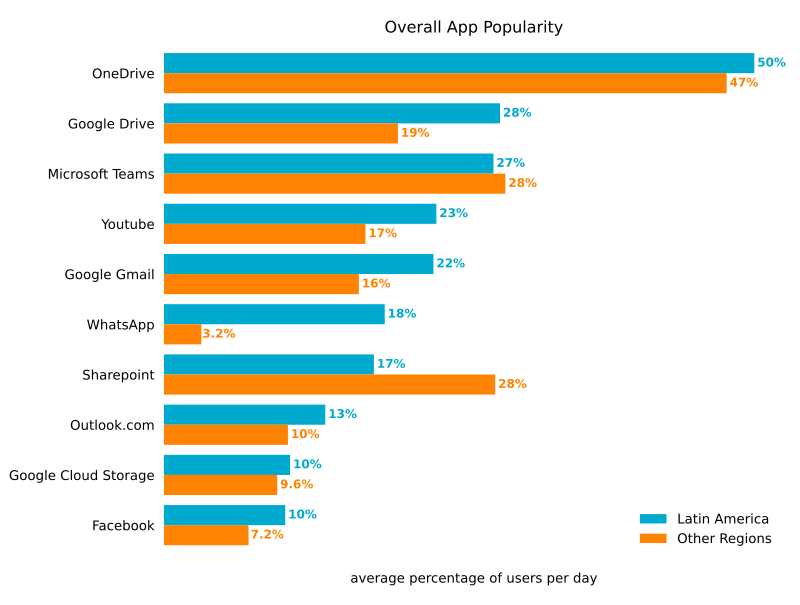
OneDrive is the most popular app in Latin America and other regions, with an average of 50% and 47% users per day, respectively. Google apps, such as Drive, Gmail, and Google Cloud Storage, are more popular among users in Latin America, on average, when compared to other regions. Microsoft apps, with the exception of OneDrive and Outlook, are more popular in regions other than Latin America. This is especially true for SharePoint, with 28% of users on average in other regions versus 17% of users in Latin America. YouTube and WhatsApp are also more popular among users in Latin America, especially WhatsApp, with 5.6x more usage. Facebook is also a popular app among users in LATAM, with a slightly higher average of use compared to other regions.

Overall App Popularity Latin America vs Other Regions

Top-Apps, die für Uploads verwendet werden

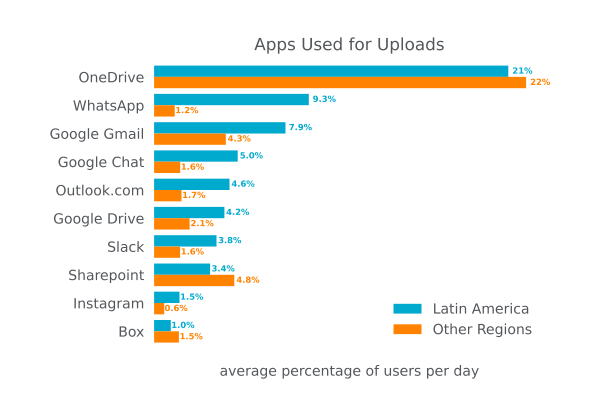
In addition to being the most popular app overall, Microsoft OneDrive is also the most popular app used for uploads, with 21% of users regularly uploading data on average per day in Latin America, which is slightly lower compared to other regions. Communication apps, such as WhatsApp, Google Chat, and Slack, are more popular for uploads among users in Latin America than in other regions, especially WhatsApp, with 7.7x more usage. Mail apps, such as Google Gmail and Microsoft Outlook, are also more popular among users in Latin America than other regions.

Google Drive is also more popular in Latin America when compared to other regions, with 4.2% of users uploading data on average each day. Other popular apps for uploads in Latin America are SharePoint, Instagram, and Box, with Instagram being used 2.5x more in Latin America.

Apps Used for Uploads Latin America vs Other Regions

Top-Apps, die für Downloads verwendet werden

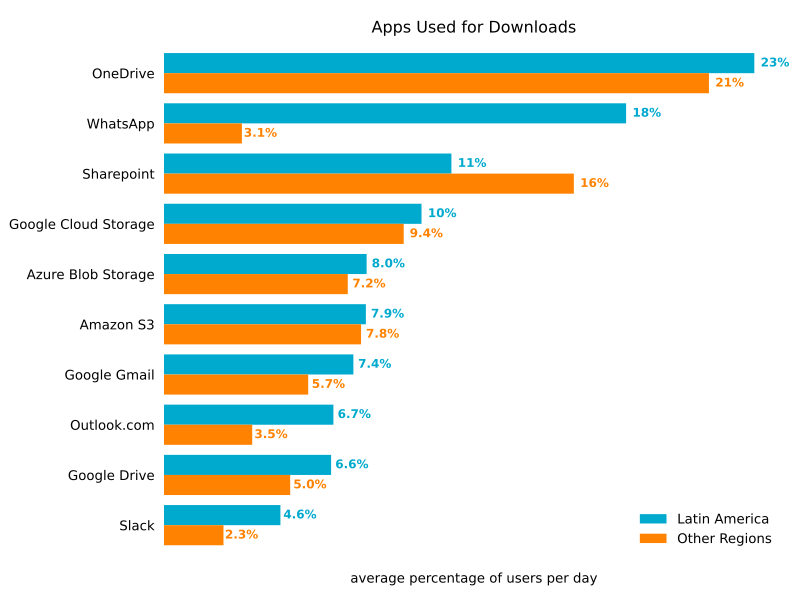
OneDrive leads the most popular cloud apps for downloads by users in Latin America, with 23% of users per day on average. Communication apps, such as WhatsApp and Slack, are popular apps among users in Latin America for downloads, especially WhatsApp, with 5.8x more usage when compared to other regions. Sharepoint holds the third place, with 11% of users downloading data on average, but less popular in Latin America when compared to other regions.

Cloud-Apps zur Dateispeicherung wie Google Cloud Storage, Azure Blob Storage, Amazon S3 und Google Drive sind bei Benutzern in Lateinamerika im Vergleich zu anderen Regionen für Downloads beliebter. Auch Mail-Apps wie Google Gmail und Outlook werden bei Nutzern in Lateinamerika gerne heruntergeladen.

Apps Used for Downloads Latin America vs Other Regions

Missbrauch von Cloud-Apps Link Link

Bereitstellung von Cloud-Malware

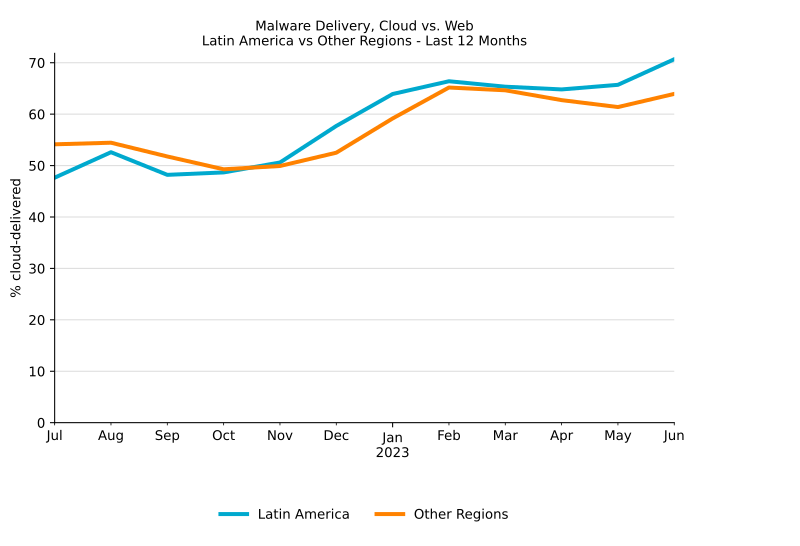
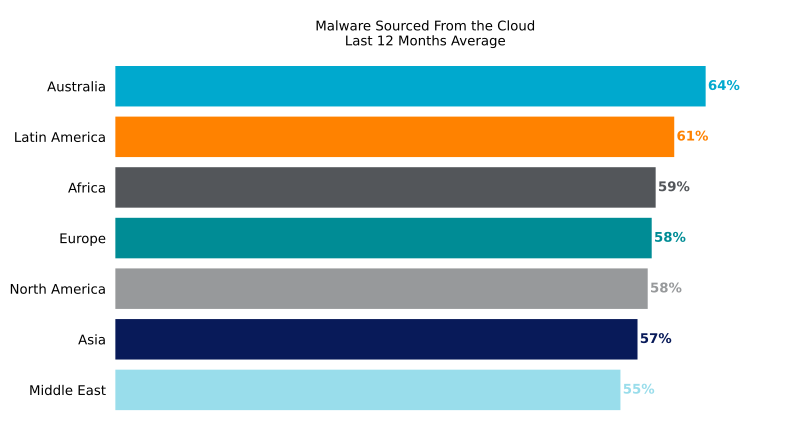
The popularity of cloud malware delivery in Latin American organizations has increased significantly in the past 12 months, increasing from 47% in July 2022 to 71% in June 2023. The 12-month average in Latin American organizations is slightly higher compared to other regions, with 61% of malware downloads from users in Latin America compared to 57% in other regions. Attackers attempt to fly under the radar by delivering malicious content via popular cloud apps. Abusing cloud apps for malware delivery enables attackers to evade security controls that rely primarily on domain block lists and URL filtering, or that do not inspect cloud traffic.

Malware Delivery, Cloud vs. Web Latin America vs Other Regions - Last 12 Months

Compared to other regions, Latin America has a higher average of malware downloads from the cloud, with 61% on average, behind only Australia.

Malware Sourced from the Cloud Last 12 Months Average LATAM

Cloud-Apps, die für die Verbreitung von Malware missbraucht werden

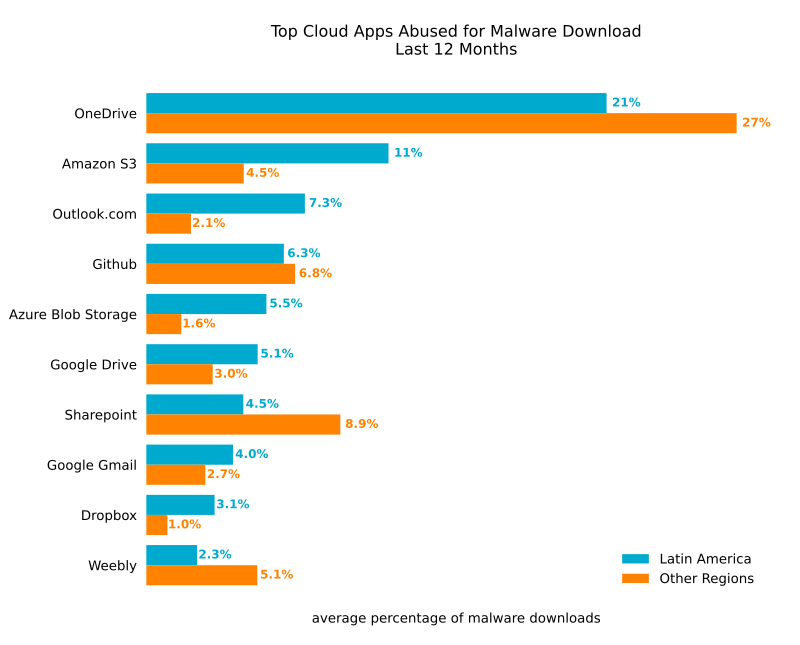
In the last 12 months, Microsoft OneDrive was the most popular cloud app abused for malware downloads in Latin American organizations, representing 21% of all cloud malware downloads. As highlighted earlier in this report, Microsoft OneDrive is also the most popular app among users in Latin America, which makes it both an useful app for attackers seeking to target a wide variety of organizations using the same toolset, and also makes it more likely that the malicious payloads would reach their targets.

Amazon S3 is the second most popular app for malware downloads in Latin American organizations, with 11% of users on average in the last 12 months, significantly above the average in other regions. Mail apps (Outlook, Gmail) are also popular for malware downloads in Latin America, especially Outlook, with 7.5% of downloads on average. GitHub is also commonly abused in Latin America for malware downloads, with a similar average when compared to other regions.

Other apps for file storing/sharing, like Azure Blob Storage, Google Drive, SharePoint, and Dropbox, are also commonly abused in Latin America for malware downloads. The free web hosting service Weebly is also popular for malware downloads in Latin American organizations, but less so than other regions.

Top Cloud Apps Abused for Malware Download Last 12 Months Latin America vs Other Regions

Malware und Ransomware Link Link

Die häufigsten Malware-Typen

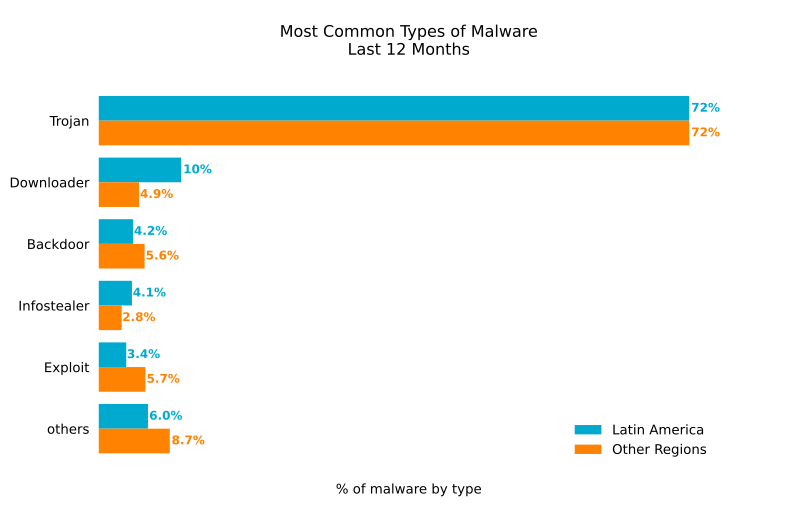
The most common malware detected by Netskope in Latin America in the last twelve months were Trojans, which are commonly used by attackers to gain an initial foothold and deliver other types of malware, such as infostealers, remote access Trojans, backdoors, and ransomware. The second most common type of malware are downloaders, which, like Trojans, are also used to deliver other types of malware.

Rounding out the top three are backdoors. Like Trojans, some malware payloads blocked in this category can also fit other categories, because they provide not only clandestine remote access, but also keylogging, file manipulation, registry manipulation, and other malicious features. Malware in this category include Remcos, Quakbot, and NjRAT (a.k.a Bladabindi).

Most Common Types of Malware Last 12 Months Latin America vs Other Regions

Die wichtigsten Malware- und Ransomware-Familien

Infostealer.AgentTesla ist ein .NET-basierter Remote-Access-Trojaner mit zahlreichen Funktionen, z. B. dem Stehlen von Browser-Passwörtern, dem Aufzeichnen von Tastatureingaben, der Zwischenablage usw.

Botnet.Emotet is one of the most prevalent botnets in the cyber threat landscape, often used to deliver other malware such as TrickBot.

Downloader.BanLoad ist ein Java-basierter Downloader, der häufig verwendet wird, um eine Vielzahl von Malware-Payloads zu liefern, insbesondere Banking-Trojaner.

Trojan.Grandoreiro is a Latin America banking trojan with the goal of stealing sensitive banking information, commonly targeting Brazil, Mexico, Spain, and Peru.

Downloader.Guloader is a small downloader known for delivering RAT and infostealers, such as AgentTesla, Formbook, and Remcos.

Trojan.Mekotio is a banking Trojan that usually targets customers of financial institutions based in Latin America.

Trojan.FormBook (auch bekannt als XLoader) ist eine Schadsoftware, die vollständige Kontrolle über infizierte Rechner bietet und zahlreiche Funktionen bereithält , wie etwa den Diebstahl von Passwörtern und die Ausführung zusätzlicher Schadsoftware.

Infostealer.Dridex has been around since at least 2015 and has had its botnet infrastructure taken down multiple times, but continues to re-emerge with new features and new infrastructure.

Ransomware.LockBit 3.0 (a.k.a. Black) is the latest version of the LockBit ransomware, emerged in September 2019, becoming one of the most relevant RaaS groups in the world.

Ransomware.BlackCat (a.k.a. ALPHV and Noberus) is a Ransomware-as-a-Service (RaaS) group that emerged in November 2021, making headlines for being a sophisticated ransomware written in Rust.

Empfehlungen Link Link

This report highlighted increasing cloud adoption, including increases of data being uploaded to and downloaded from a wide variety of cloud apps. It also highlighted an increasing trend of attackers abusing a wide variety of cloud apps, especially popular enterprise apps, to deliver malware to their victims. The malware samples were primarily Trojans, but also included downloaders, backdoors, file-based exploits, ransomware, and infostealers. Netskope Threat Labs recommends organizations in Latin America review their security posture to ensure that they are adequately protected against these trends:

  • Überprüfen Sie alle HTTP- und HTTPS-Downloads, einschließlich des gesamten Web- und Cloud-Datenverkehrs, um zu verhindern, dass Malware in Ihr Netzwerk eindringt. Netskope-Kunden können ihr Netskope Next Gen Secure Web Gateway mit einer Bedrohungsschutzrichtlinie konfigurieren, die für Downloads aus allen Kategorien und für alle Dateitypen gilt.
  • Stellen Sie sicher, dass Dateitypen mit hohem Risiko, wie z. B. ausführbare Dateien und Archive, vor dem Herunterladen mit einer Kombination aus statischer und dynamischer Analyse gründlich geprüft werden. Kunden von Netskope Advanced Threat Protection können eine Patient Zero Prevention-Richtlinie verwenden, um Downloads zurückzuhalten, bis sie vollständig überprüft wurden.
  • Konfigurieren Sie Richtlinien, um Downloads von Apps und Instanzen zu blockieren, die in Ihrer Organisation nicht verwendet werden, um Ihr Risiko auf die Apps und Instanzen zu reduzieren, die für das Unternehmen erforderlich sind.
  • Konfigurieren Sie Richtlinien, um Uploads in Apps und Instanzen zu blockieren, die in Ihrer Organisation nicht verwendet werden, um das Risiko einer versehentlichen oder absichtlichen Offenlegung von Daten durch Insider oder des Missbrauchs durch Angreifer zu verringern.
  • Verwenden Sie ein Intrusion Prevention System (IPS), das bösartige Datenverkehrsmuster identifizieren und blockieren kann, z. B. Command-and-Control-Datenverkehr, der mit gängiger Malware verbunden ist. Das Blockieren dieser Art der Kommunikation kann weiteren Schaden verhindern, indem die Fähigkeit des Angreifers, zusätzliche Aktionen auszuführen, eingeschränkt wird.

In addition to the recommendations above, Remote Browser Isolation (RBI) technology can provide additional protection when there is a need to visit websites that fall into categories that can present higher risk, like Newly Observed and Newly Registered Domains.

Netskope Threat Labs Link Link

Netskope Threat Labs besteht aus den branchenweit führenden Cloud-Bedrohungs- und Malware-Forschern und entdeckt, analysiert und entwirft Abwehrmaßnahmen gegen die neuesten Cloud-Bedrohungen für Unternehmen. Unsere Forscher sind regelmäßige Referenten und Freiwillige auf führenden Sicherheitskonferenzen, darunter DefCon, BlackHat und RSA.

Über diesen Bericht Link Link

Netskope bietet Millionen von Anwendern weltweit Schutz vor Bedrohungen. Die in diesem Bericht enthaltenen Informationen basieren auf anonymisierten Nutzungsdaten, die von der Netskope One-Plattform erfasst wurden und sich auf eine Untergruppe von Netskope-Kunden mit vorheriger Genehmigung beziehen.

Dieser Bericht enthält Informationen zu Erkennungen, die von Netskope One Next Generation Secure Web Gateway (SWG) ausgelöst wurden, ohne die Bedeutung der Auswirkungen der einzelnen Bedrohungen zu berücksichtigen. Die Statistiken in diesem Bericht basieren auf dem Zeitraum vom 1. Juli 2022 bis zum 30. Juni 2023. Die Statistiken spiegeln die Taktiken der Angreifer, das Benutzerverhalten und die Organisationsrichtlinien wider.